Kitchen Upgrade
Buy-it-once pieces: a tri-ply stainless skillet for tomato sauces, a one-piece sapele board, glass containers with glass lids and a pair of all-steel spatulas.
One tap puts all four in your Amazon cart.
We earn a commission if you buy.
What's inside
Tap a swap for the reasons.
 swap to
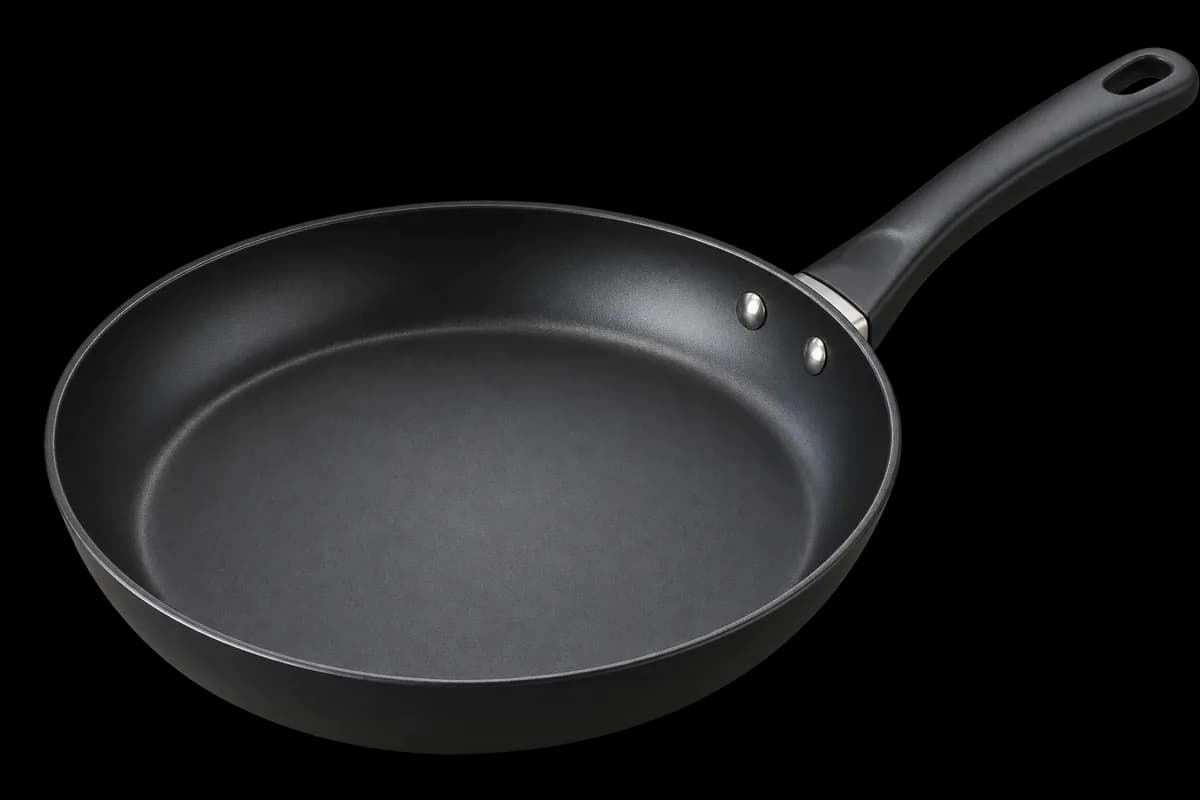
Non-stick pan→ Cast iron or stainless steel panAlso good
Tramontina Signature Tri-Ply Clad 12" skillet
Cast iron, carbon steel or stainless steel. There’s no coating to wear off, and a well-made pan can last for decades.
 swap to
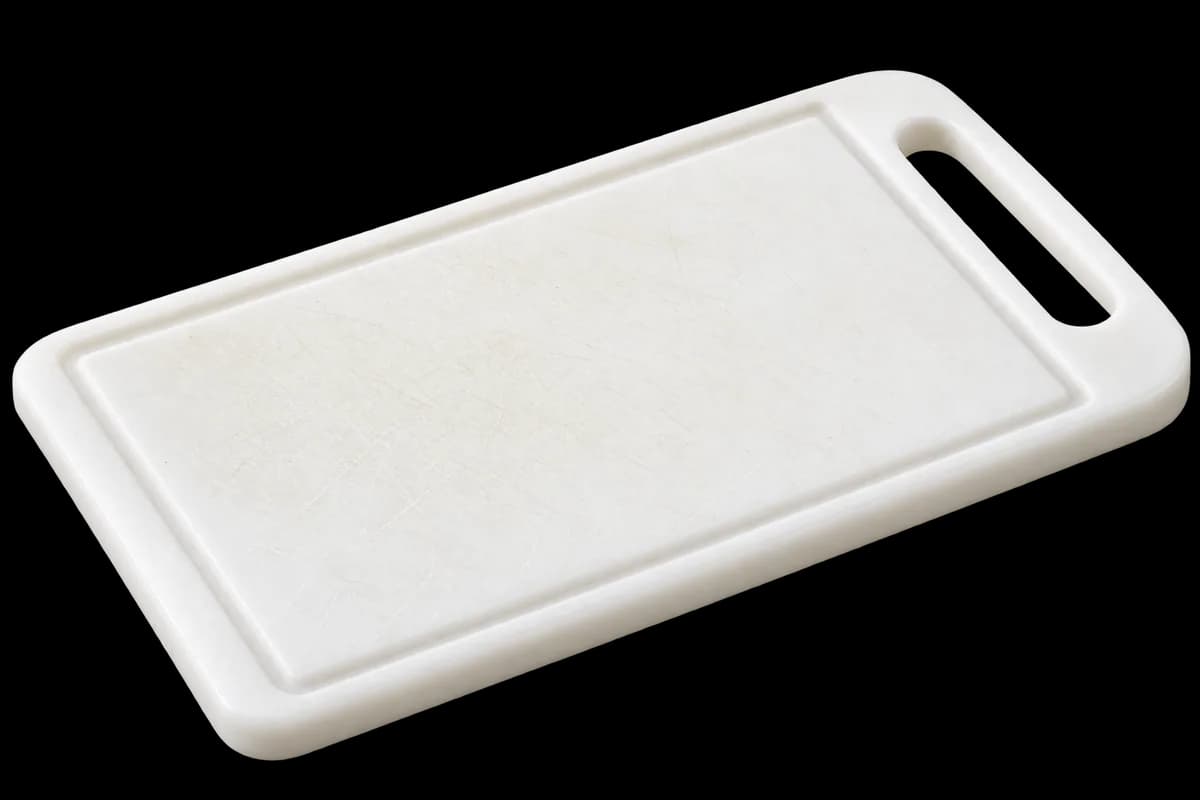
Plastic cutting board→ Wood boardBrosisincorp one-piece sapele board, 14×9.5"
Solid hardwood, ideally one piece with no glue. Our pick is sapele, which its maker says is cut from one piece with no glue or joints. It sheds wood fibre, not plastic.
About 14 × 9.5 inches, cut from one piece of sapele with no glue, the maker says. Pre-oiled with olive oil; small silicone feet sit on one edge, away from the cutting surface.
 swap to
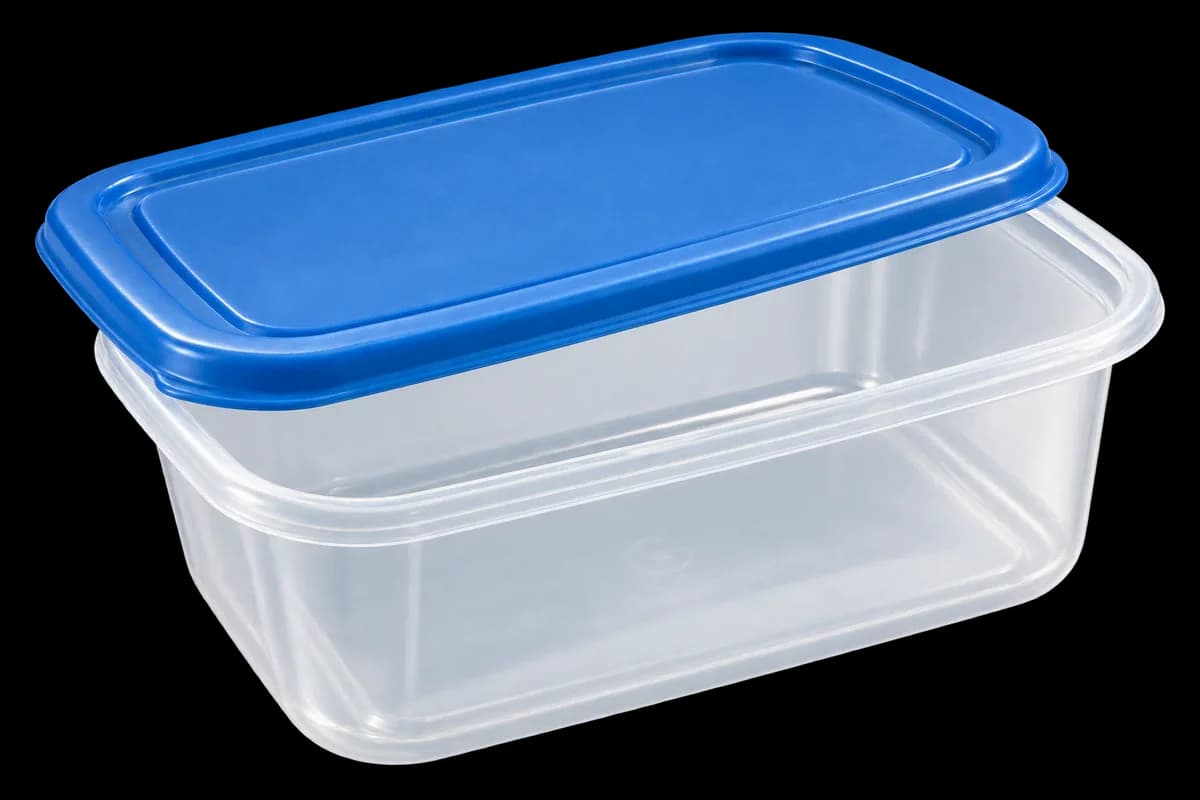
Plastic food containers→ Glass containersLiuruiyu glass, glass lids, 10-pk (5×12.5 + 5×35.2 oz)
Borosilicate glass with glass lids, so food only touches glass. Microwave-, oven- and freezer-safe.
 swap to
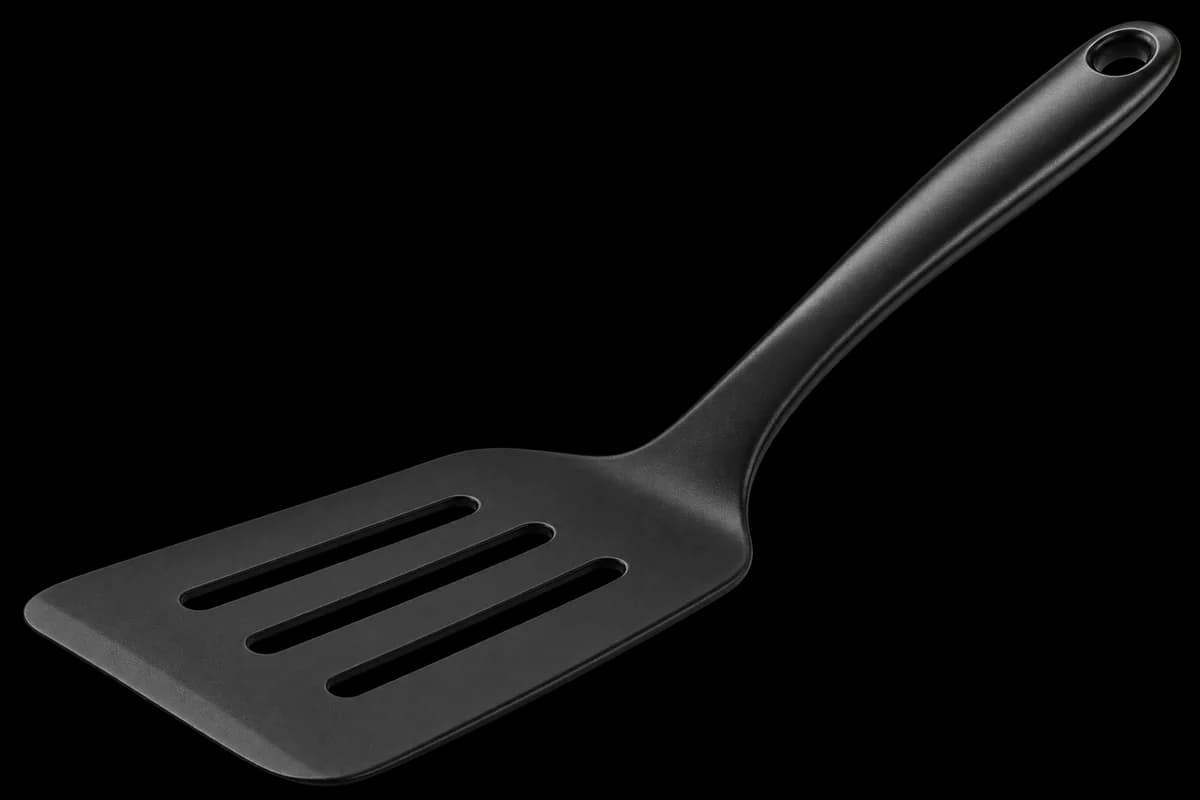
Black plastic spatula→ Wooden or steel utensilsAlso good
Kyraton stainless spatulas 2-pc
Solid hardwood such as beech, with no glue or varnish, or all-stainless steel.
Good to know before you buy
- Cast iron or stainless steel pan: Cast iron is heavy; it and carbon steel need seasoning. Stainless needs none and suits tomato and other acidic dishes. Ceramic ‘non-stick’ is still a coating, not bare metal.
- Wood board: About 14 × 9.5 inches, cut from one piece of sapele with no glue, the maker says. Pre-oiled with olive oil; small silicone feet sit on one edge, away from the cutting surface. Many wood and bamboo boards are strips glued together. Use one board for produce and bread and a separate one for raw meat, poultry and seafood, as USDA suggests. Hand-wash with hot, soapy water and oil it monthly.
- Glass containers: The lid has a silicone seal ring to keep it airtight. The ring sits at the rim, and food rests against glass. Tip leftovers into a glass bowl before microwaving.
- Wooden or steel utensils: Stainless scratches non-stick pans. Many wooden and bamboo sets don’t say what glue or finish they use, but our pick uses none.
Sources (8)
- IARC Monograph 135: PFOA Group 1 carcinogen (opens in a new tab)
- FDA: PTFE still authorised for food contact (opens in a new tab)
- Yadav et al. 2023, ES&T: est. 14.5–79.4M particles per person per year; no toxicity in the cells tested (opens in a new tab)
- USDA FSIS: consider one cutting board for fresh produce and bread and a separate one for raw meat, poultry and seafood (opens in a new tab)
- Hussain et al. 2023, ES&T: millions of particles per cm² after 3 min in the microwave (opens in a new tab)
- Liu et al. 2024, Chemosphere: flame retardants found in some utensils (opens in a new tab)
- Retraction Watch: corrected exposure is ~50× below the US safety limit (opens in a new tab)
- ECOSALL: beech spoons 'non coated, not varnished and not glued' (opens in a new tab)
General information, not medical advice. Ask your doctor, especially if you’re pregnant, nursing or have a health condition.