Better Morning Brew
Boil in glass, brew through a steel refillable pod and steep loose-leaf, so your coffee and tea never sit in hot plastic.
One tap puts all three in your Amazon cart.
We earn a commission if you buy.
What's inside
Tap a swap for the reasons.
 swap to
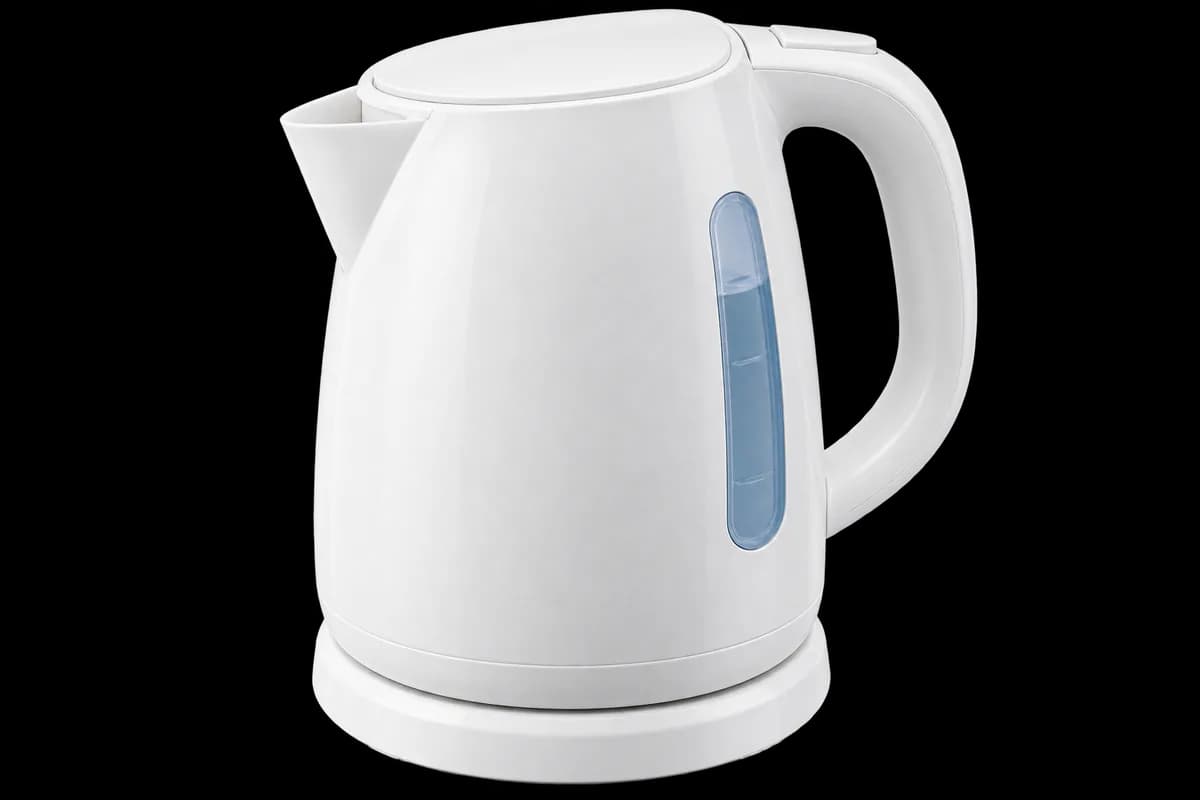
Plastic kettle→ Glass kettleCosori glass kettle, no plastic contact
Borosilicate glass or stainless steel, with a steel lid and filter so water never touches plastic.
 swap to
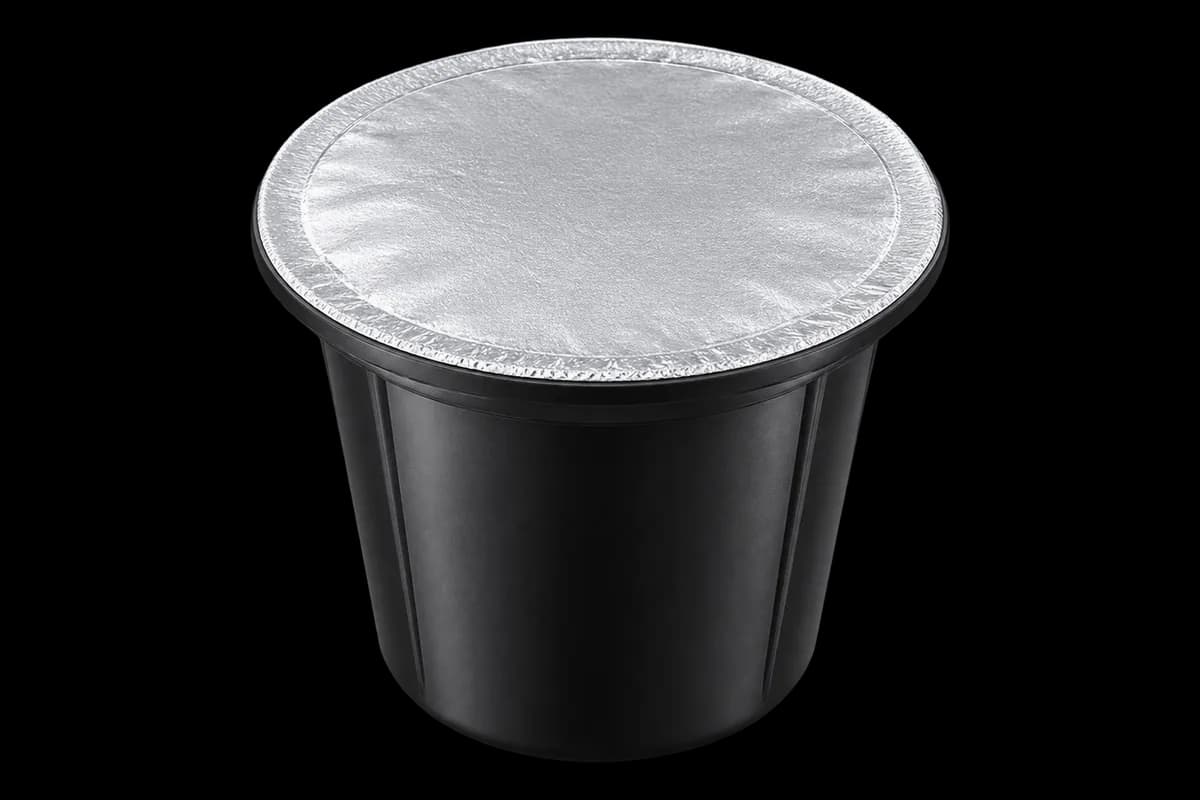
Plastic coffee pods→ Steel refillable podNESSUS 304 stainless steel refillable K-cups, Keurig 1.0, 4-pack
A refillable pod of 304 stainless steel with a steel mesh holds your own grounds, so no plastic pod sits in the hot water.
Steel pod and mesh; the lid seal is silicone.
 swap to
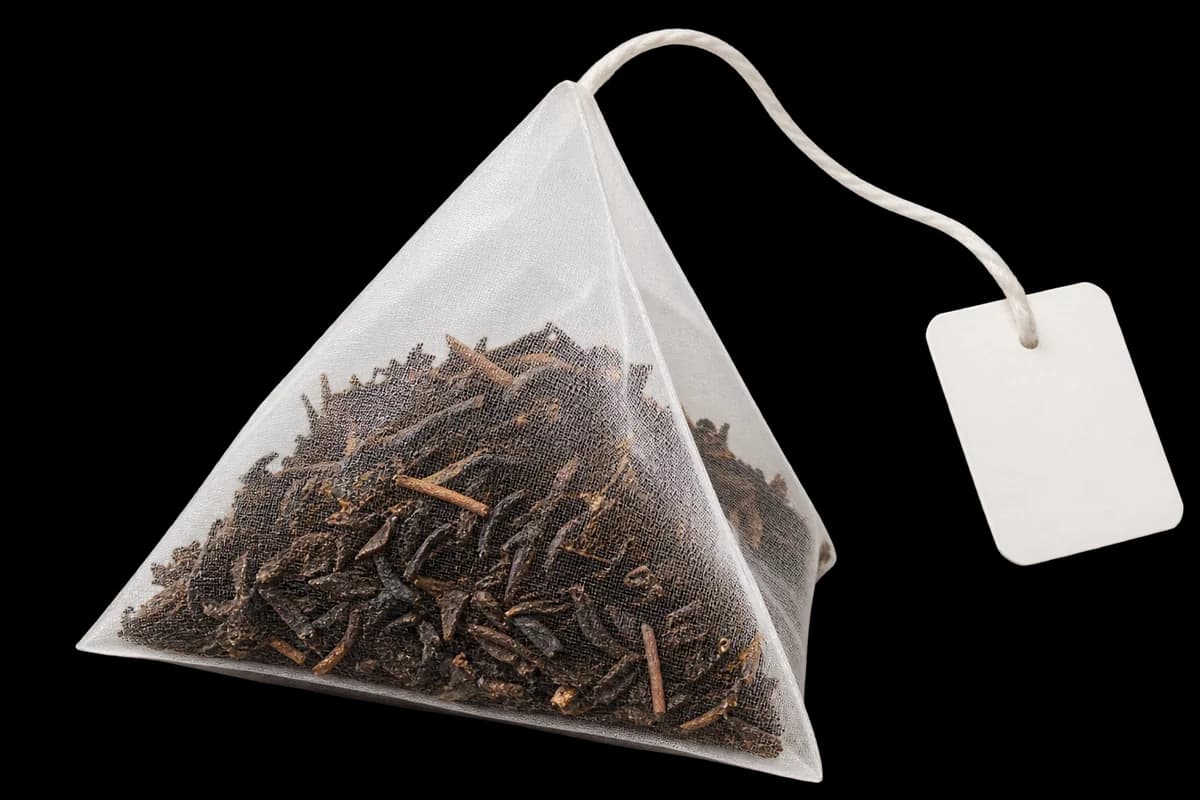
Silky pyramid (mesh) tea bags→ Steel tea infuserExptolii snap ball 3-pk
An 18/8 stainless steel infuser. Inert and reusable.
Good to know before you buy
- Glass kettle: Many ‘stainless’ kettles still have plastic lids or water windows. ‘No plastic contact’ is the maker’s claim, and it doesn’t say whether a small seal sits where the glass meets the base.
- Steel refillable pod: Steel pod and mesh; the lid seal is silicone. The lid has a silicone seal, and your brewer’s water tank and lines are still plastic. Fits Keurig 1.0 brewers (K-Mini, K-Classic, K-Express, K-Duo Gen 1 and others), not Keurig 2.0, K-Supreme or K-Slim. Metal mesh lets through more cafestol, which raises LDL cholesterol, than paper filters do.
- Steel tea infuser: You’ll need loose-leaf tea; a teaspoon per cup is a common place to start. Plain paper bags are an option too, but some use plastic in the paper or seal, and packs rarely say.
Sources (8)
- Shi et al. 2025, npj Emerging Contaminants: ~820k particles/mL even after 150 boils (opens in a new tab)
- Al-Mansoori et al. 2025: microplastics in all 155 hot and cold drinks tested, more in hot drinks (opens in a new tab)
- TIME, Nov 2025: study author says pod-coffee particles matched each pod's plastic (opens in a new tab)
- Hussain et al. 2023, ES&T: heated plastic releases micro/nanoplastics (opens in a new tab)
- Urgert & Katan 1997: cafestol and kahweol raise LDL; a paper filter retains them, cafetiere coffee does not (opens in a new tab)
- Hernandez et al. 2019, ES&T (opens in a new tab)
- Published critique and reply (opens in a new tab)
- Banaei et al. 2024, Chemosphere 368:143736: nylon-6, polypropylene and cellulose tea bags released micro/nanoplastics into the brew; polypropylene released the most (opens in a new tab)
General information, not medical advice. Ask your doctor, especially if you’re pregnant, nursing or have a health condition.