Pantry Swap
A glass microwave popcorn popper instead of microwave bags, lower-arsenic sushi rice, and beeswax wraps in place of foil.
One tap puts all three in your Amazon cart.
We earn a commission if you buy.
What's inside
Tap a swap for the reasons.
 swap to
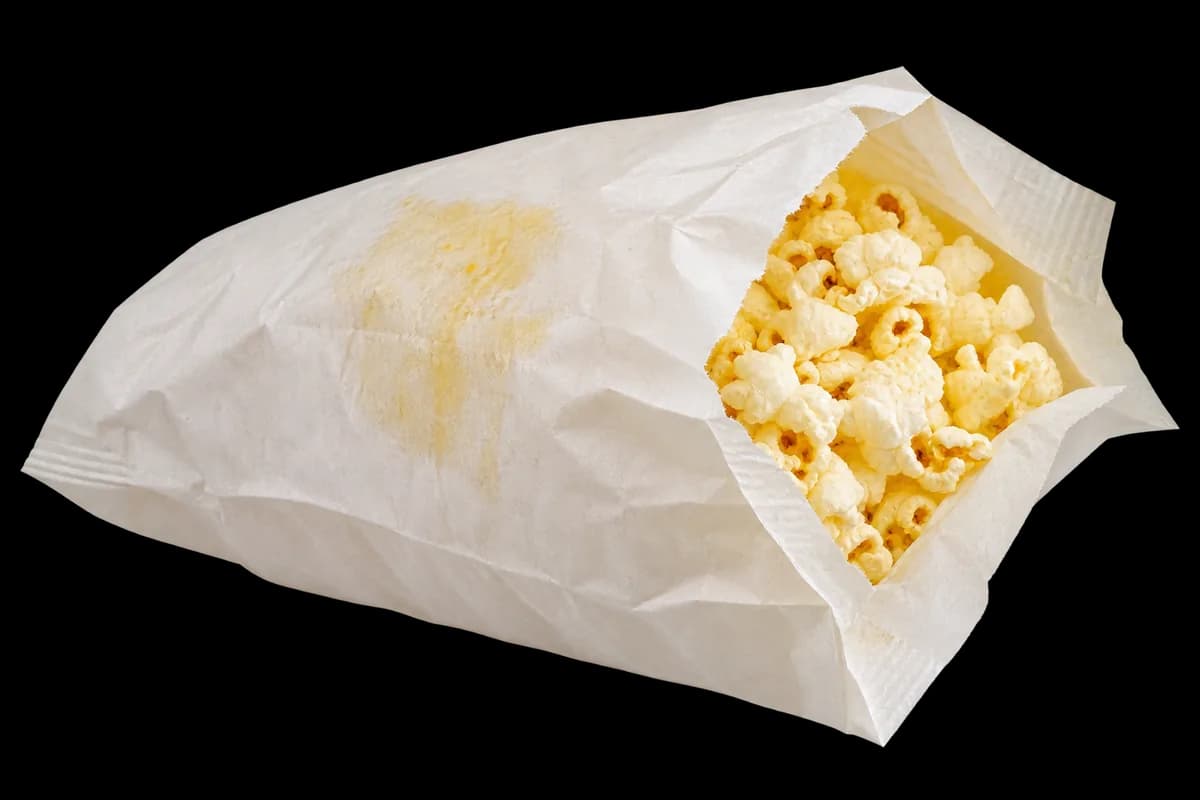
Microwave popcorn bags→ Glass microwave popperEcolution Micro-Pop glass microwave popcorn popper, 1.5 qt
A glass microwave popper pops plain kernels with no bag and no oil needed, and the popcorn sits on glass. On the stove, any pot with a lid does the same.
The bowl is borosilicate glass, and the popcorn sits on glass. The lid is silicone; butter melted in it drips through onto the popcorn, so add butter afterwards if you’d rather skip that.
 swap to
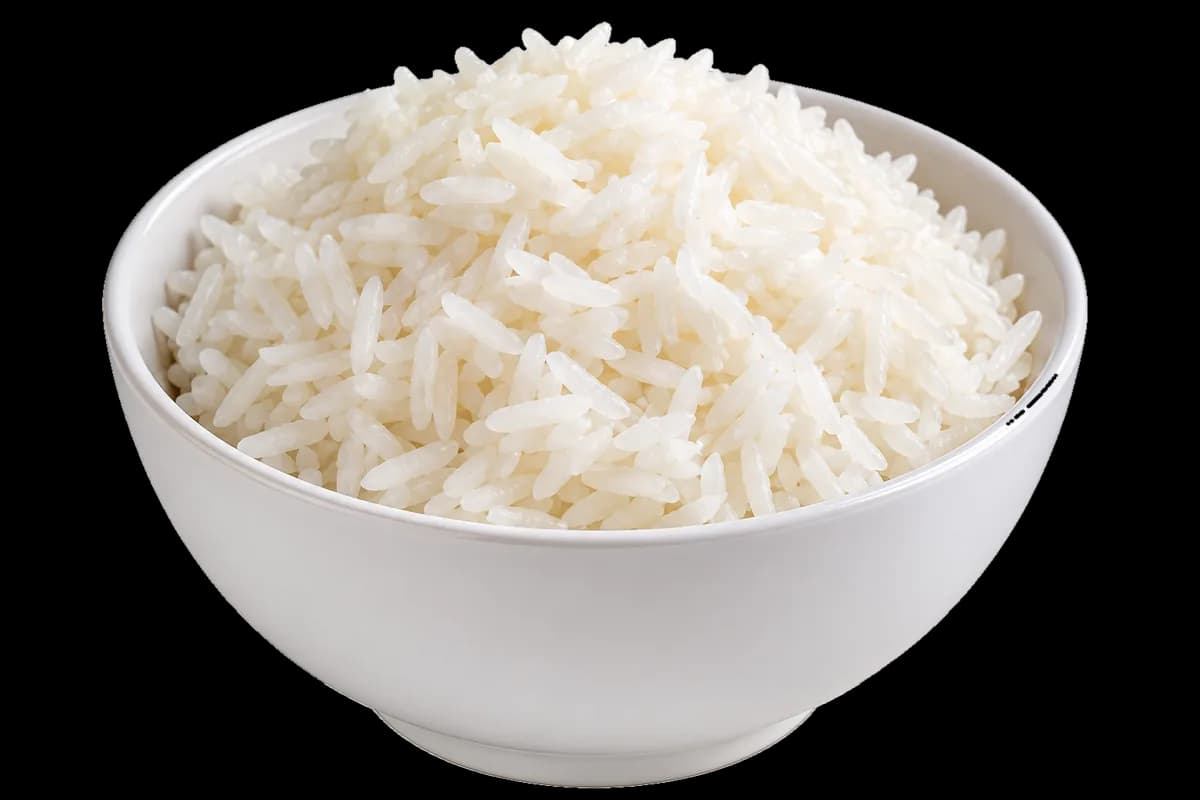
Regular long-grain rice→ Basmati or sushi riceNishiki Medium Grain Rice, 5 lb (80 oz)
In FDA’s tests, basmati and short- and medium-grain white rice averaged lower than white long-grain, and brown rice averaged highest. Sweden’s food agency also found basmati significantly lower than other rice types.
 swap to
Aluminum foil→ Beeswax wrapsAkeeko 9-pk
A beeswax wrap is cotton coated in beeswax, tree resin and jojoba oil, so no aluminum touches the food. Warm it in your hands and it grips a bowl, half a lemon or a block of cheese. Wash it in cool water and use it again; when it’s worn out, it can go in a home compost bin.
Never in the oven or on hot food.
Good to know before you buy
- Glass microwave popper: The bowl is borosilicate glass, and the popcorn sits on glass. The lid is silicone; butter melted in it drips through onto the popcorn, so add butter afterwards if you’d rather skip that. Use the microwave’s normal setting, not the popcorn button, and never run the popper empty. Popcorn is a choking risk for young children.
- Basmati or sushi rice: Prefer brown rice? Brown basmati samples averaged lower than brown rice overall in FDA’s tests (about 5.6 vs 7.2 mcg per serving), and cooking rice like pasta, then draining it, cuts inorganic arsenic by 40–60%.
- Beeswax wraps: Never in the oven or on hot food, and not for raw meat. For baking, use the glass dish with a glass lid. We haven’t yet found a parchment paper whose maker says it’s PFAS-free, so parchment isn’t a pick for now.
Sources (10)
- Susmann et al. 2019: in NHANES 2003–2014, eating popcorn daily was linked to up to 63% higher serum PFDA (opens in a new tab)
- FDA 2024: PFAS grease-proofers once used on microwave popcorn bags are no longer sold for US food packaging (opens in a new tab)
- Williams et al. 2007, Environ Sci Technol: soil-to-grain arsenic transfer an order of magnitude greater in rice than wheat or barley (opens in a new tab)
- FDA: rice takes up arsenic more readily than other crops; cooking in excess water lowers inorganic arsenic 40–60% (opens in a new tab)
- FDA 2013 inorganic arsenic in rice results: basmati 3.5, long-grain 4.6, medium 3.6, short 3.5, brown 7.2 mcg/serving (opens in a new tab)
- Menon et al. 2021, Sci Total Environ: parboil-and-absorb removed 73% (white) and 54% (brown) of inorganic arsenic (opens in a new tab)
- Swedish Food Agency 2015: basmati and jasmine significantly lower in inorganic arsenic; excess-water cooking cut 40–70% (opens in a new tab)
- NIEHS: inorganic arsenic a known human carcinogen; studies suggest a link to diabetes (opens in a new tab)
- Dordevic et al. 2019: foods baked in foil gained up to 40× more aluminum; marinated salmon and mackerel were among the highest (opens in a new tab)
- Stahl et al. 2017: a 0.5% citric-acid test pulled 638 mg/L aluminum from aluminum camping dishes, against a 5 mg/L transfer limit (opens in a new tab)
General information, not medical advice. Ask your doctor, especially if you’re pregnant, nursing or have a health condition.