1 of 13 Kitchen
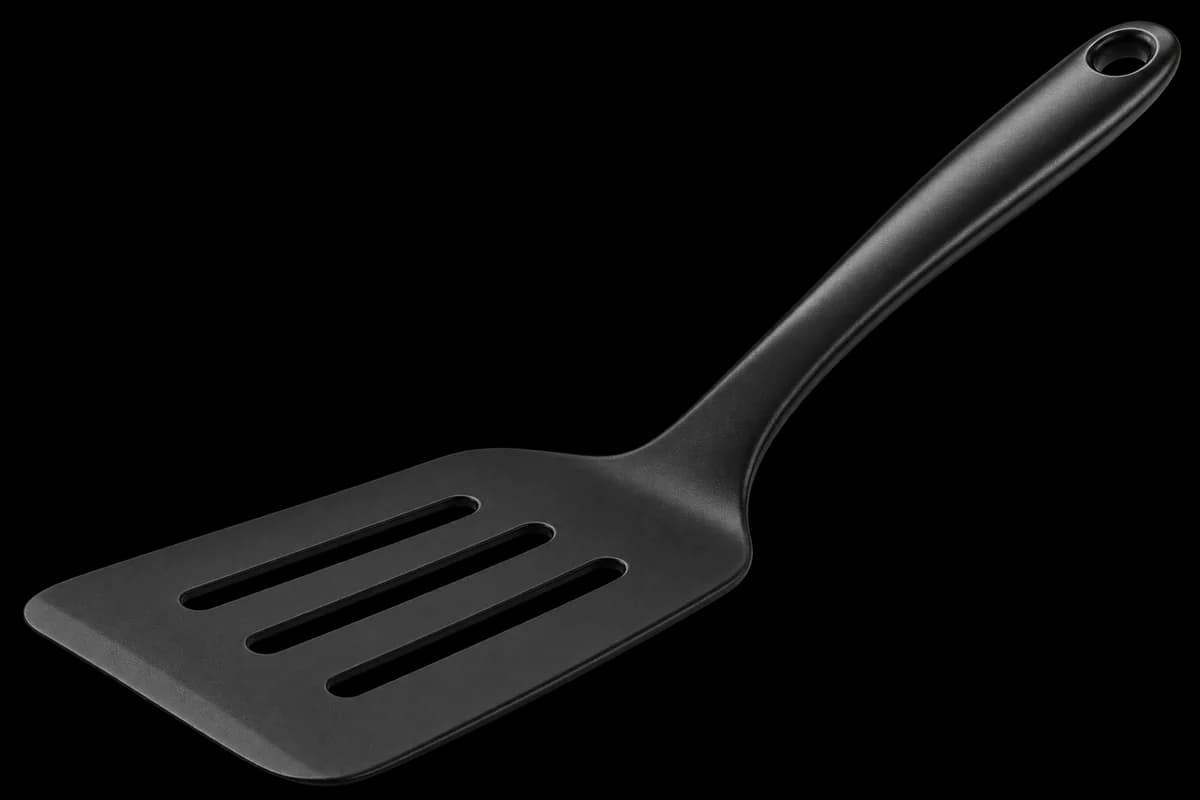
Myth: Black plastic spatulas are as bad as a fork full of fire retardant.
The viral study had a 10× math error. Corrected exposure is about 50× below the US safety limit. Still worth swapping, but not for that reason.
Read the full story: Are black plastic spatulas safe? The viral number was wrongSee the swap: Black plastic spatula to Wooden or steel utensils
2 of 13 Bathroom
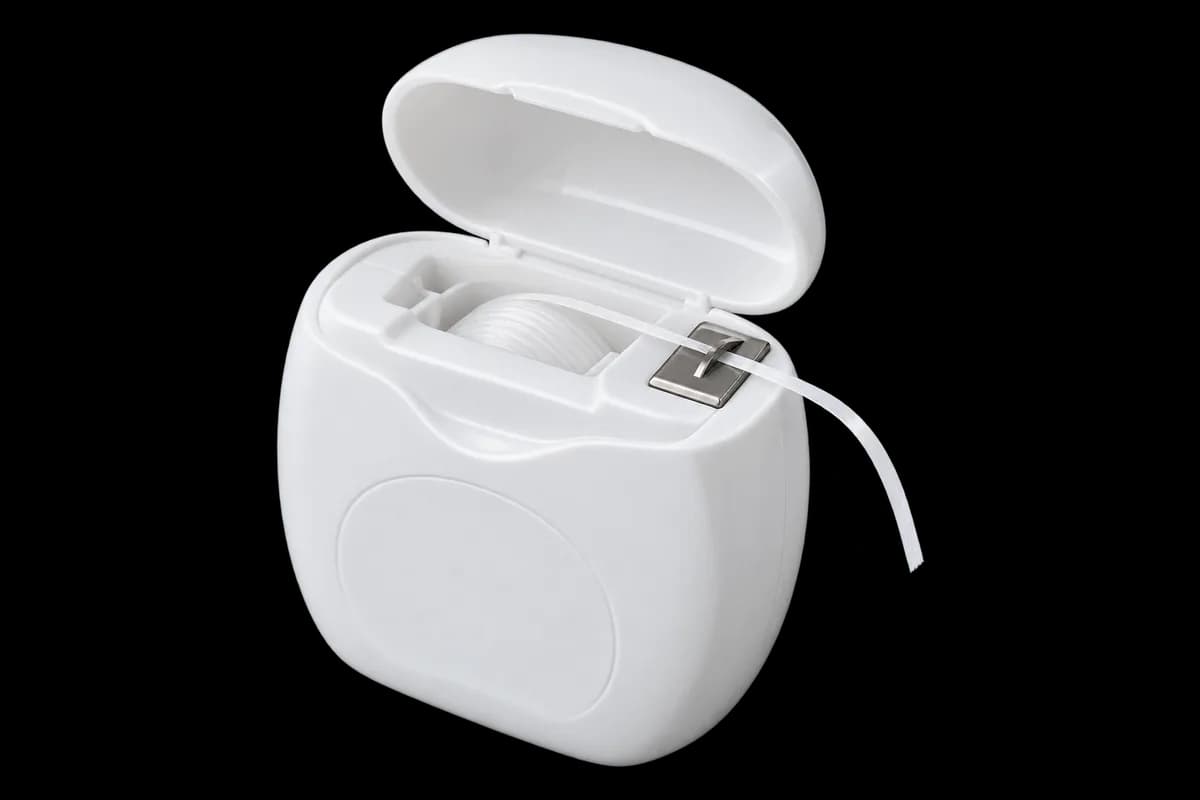
Myth: Smooth floss is full of PFAS.
Some smooth floss used to be coated with PTFE. A big brand has since dropped it, so check the label.
Read the full story: Is Glide floss bad for you? The coating changedSee the swap: Nylon or PTFE floss to Silk floss
3 of 13 Period Care
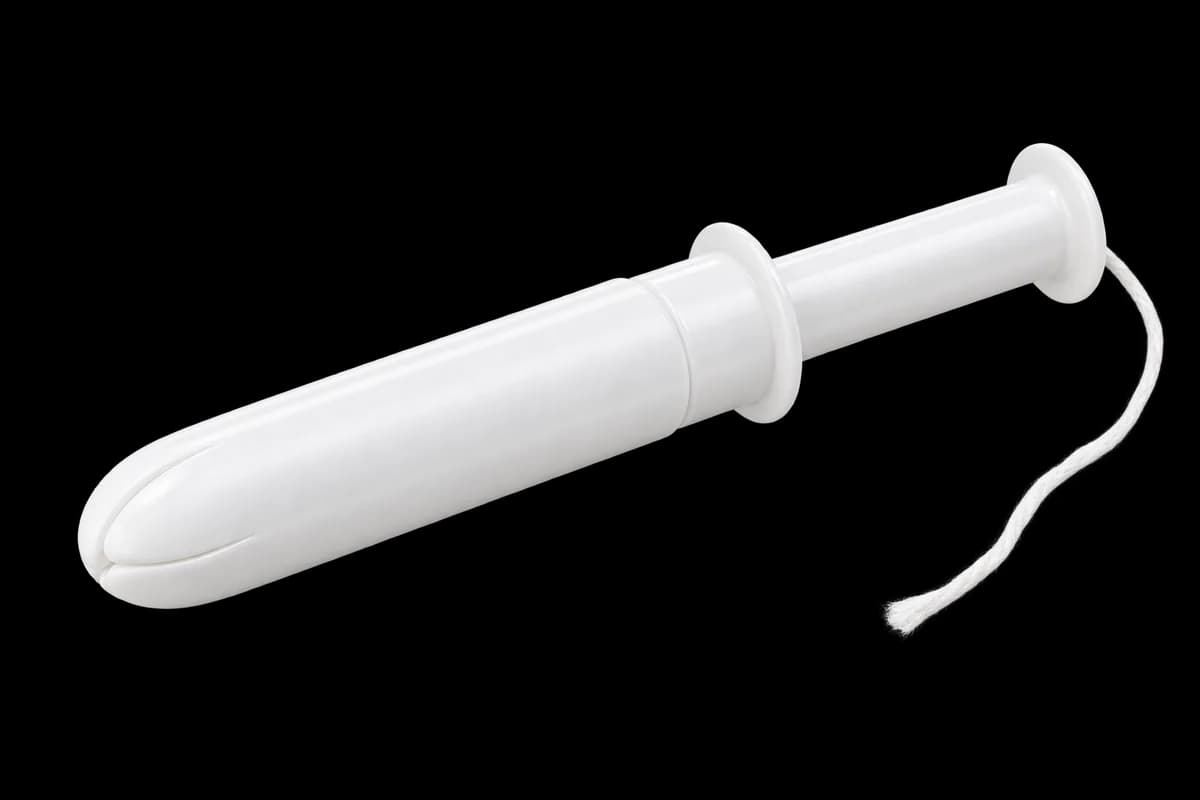
Myth: Organic tampons are free of metals.
Organic tampons had more arsenic in the 2024 study, and the FDA found the metals barely leach out.
Read the full story: Are organic tampons safer? What the metals study foundSee the swap: Conventional tampons to Menstrual cup
4 of 13 Laundry
Myth: Laundry pods fill the ocean with microplastic.
Pod film is PVA, and scientists disagree on whether it breaks down. We call it ‘contested’, not ‘microplastic’.
Read the full story: Are laundry pods bad for the environment? It’s contestedSee the swap: Scented detergent to Fragrance-free liquid
5 of 13 Home Air
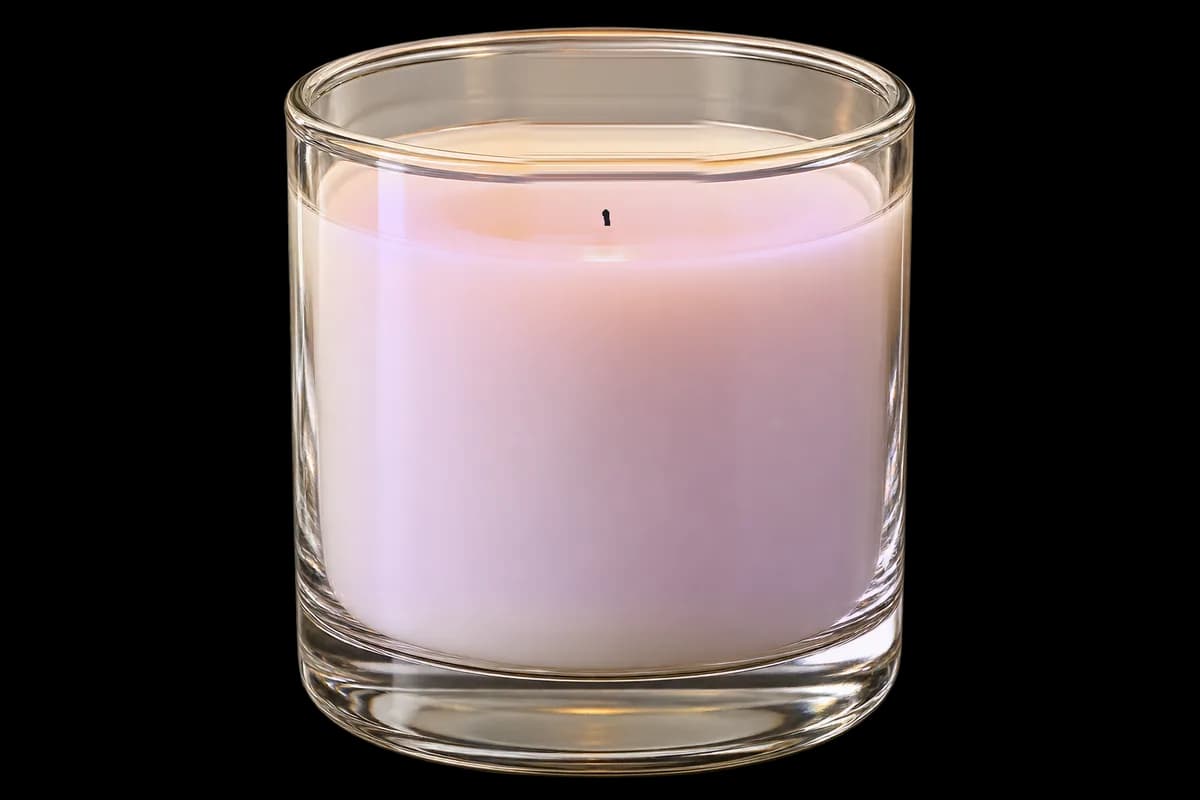
Myth: Beeswax candles purify the air.
Every flame releases particles. Burning fewer candles helps more than switching wax.
Read the full story: Are scented candles bad for you? What beeswax doesSee the swap: Scented paraffin candle to Beeswax or flameless
6 of 13 Dog & Cat
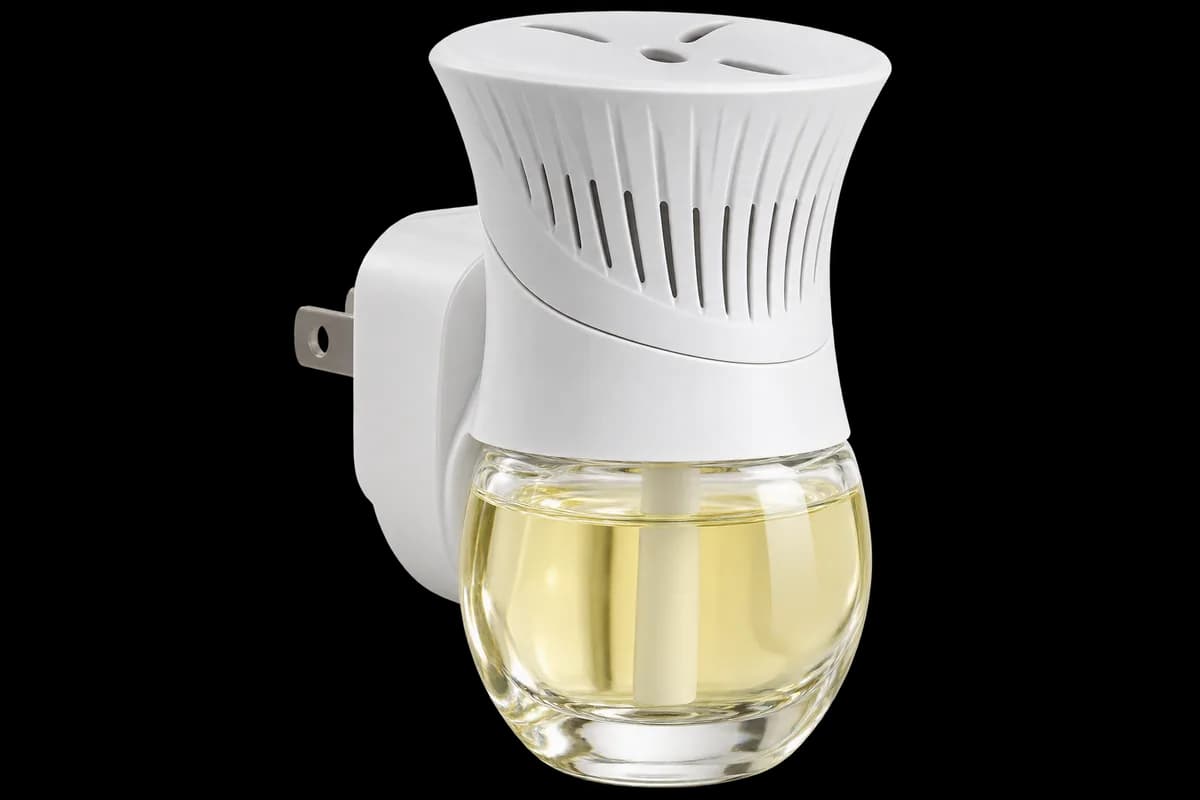
Myth: Essential-oil diffusers are the clean alternative.
They release the same terpenes as plug-in air fresheners, and some oils are dangerous for cats.
Read the full story: Are essential oil diffusers better than air fresheners?See the swap: Plug-in air freshener to Charcoal odor bag
7 of 13 Dog & Cat
Myth: Some essential oils are pet-safe.
Risk depends on the oil, its strength and how your pet meets it. Cats are the most sensitive, and many of the same oils can harm dogs.
Read the full story: Are essential oils safe for cats and dogs? What to knowSee the swap: Plug-in air freshener to Charcoal odor bag
8 of 13 Kitchen
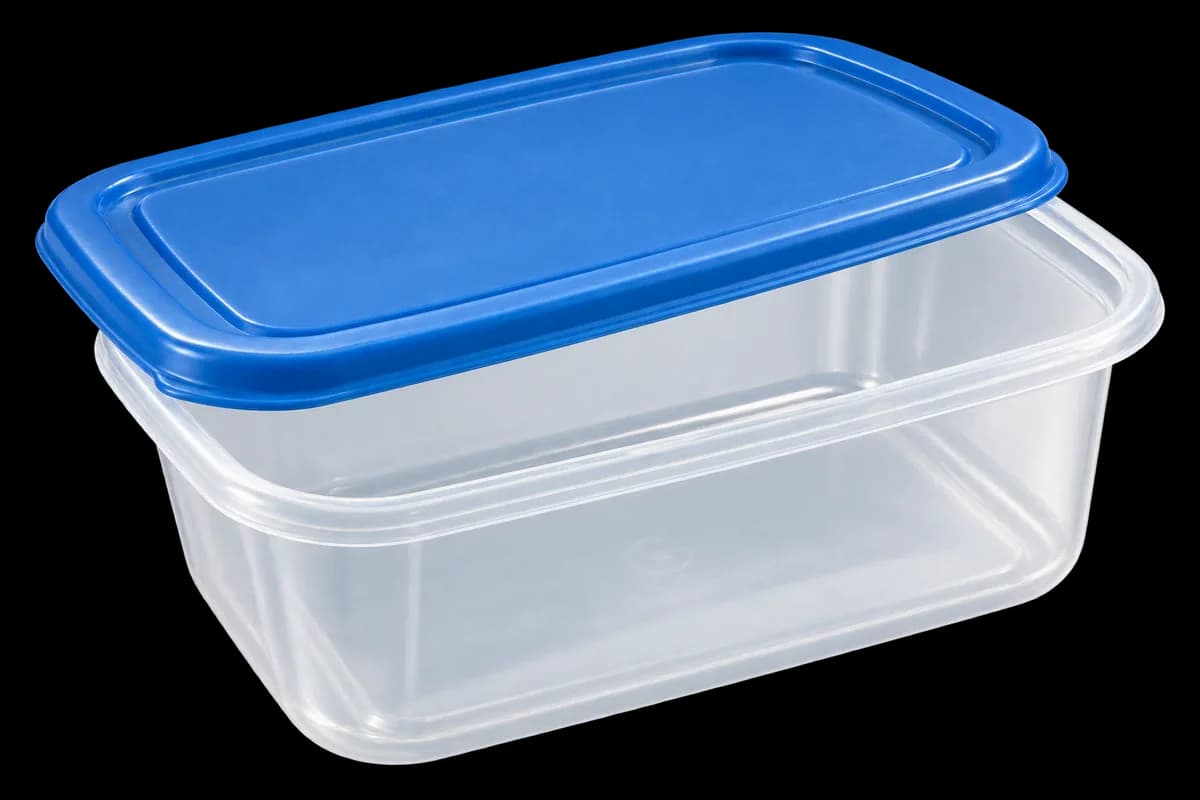
Myth: Microwaving plastic puts billions of plastic particles in your meal.
Microwaving makes plastic containers shed more. The “billions” figure is per square centimetre of container, in lab tests with water and acid standing in for food.
Read the full story: Is it safe to microwave plastic? Heat makes it shed moreSee the swap: Plastic food containers to Glass containers
9 of 13 Kitchen
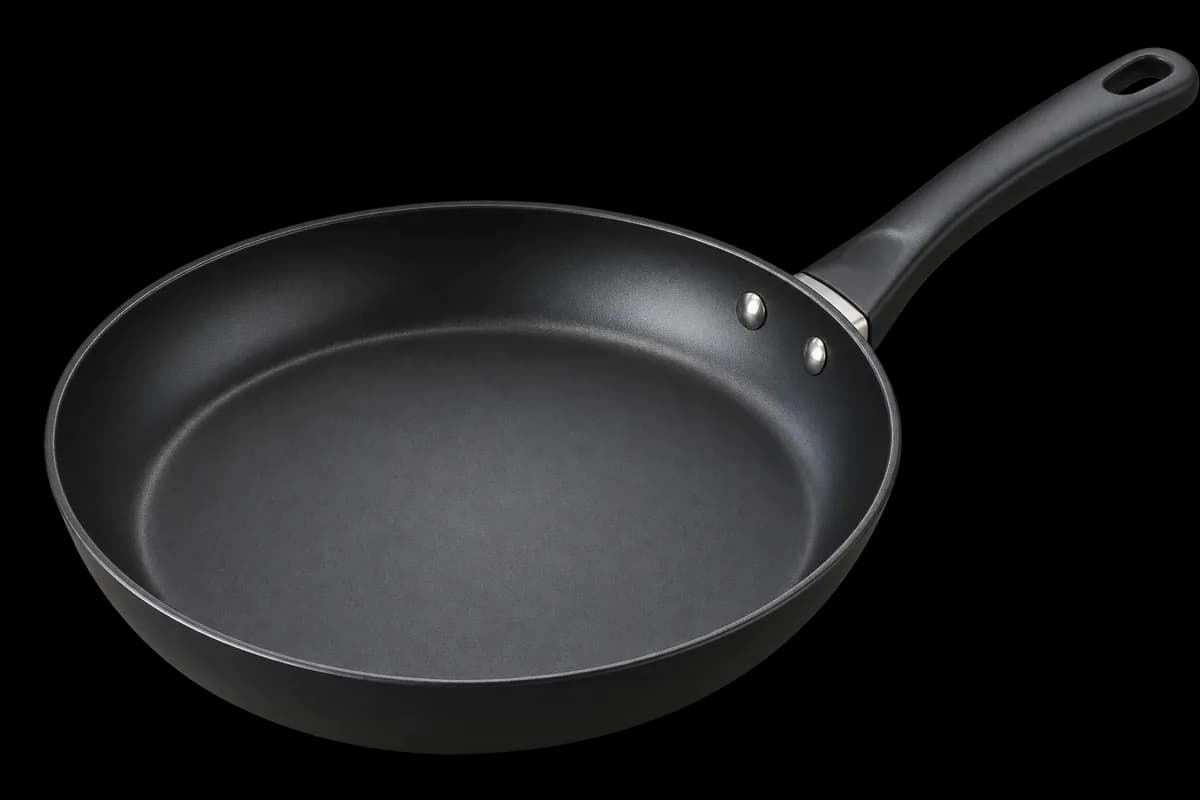
Myth: Non-stick pans are still made with PFOA.
The major makers say they stopped using PFOA by 2015. Most coatings are still PTFE, a PFAS, so the same care rules apply: low to medium heat, and replace scratched pans.
Read the full story: Is non-stick cookware safe? What changed, and what hasn’tSee the swap: Non-stick pan to Cast iron or stainless steel pan
10 of 13 Kitchen
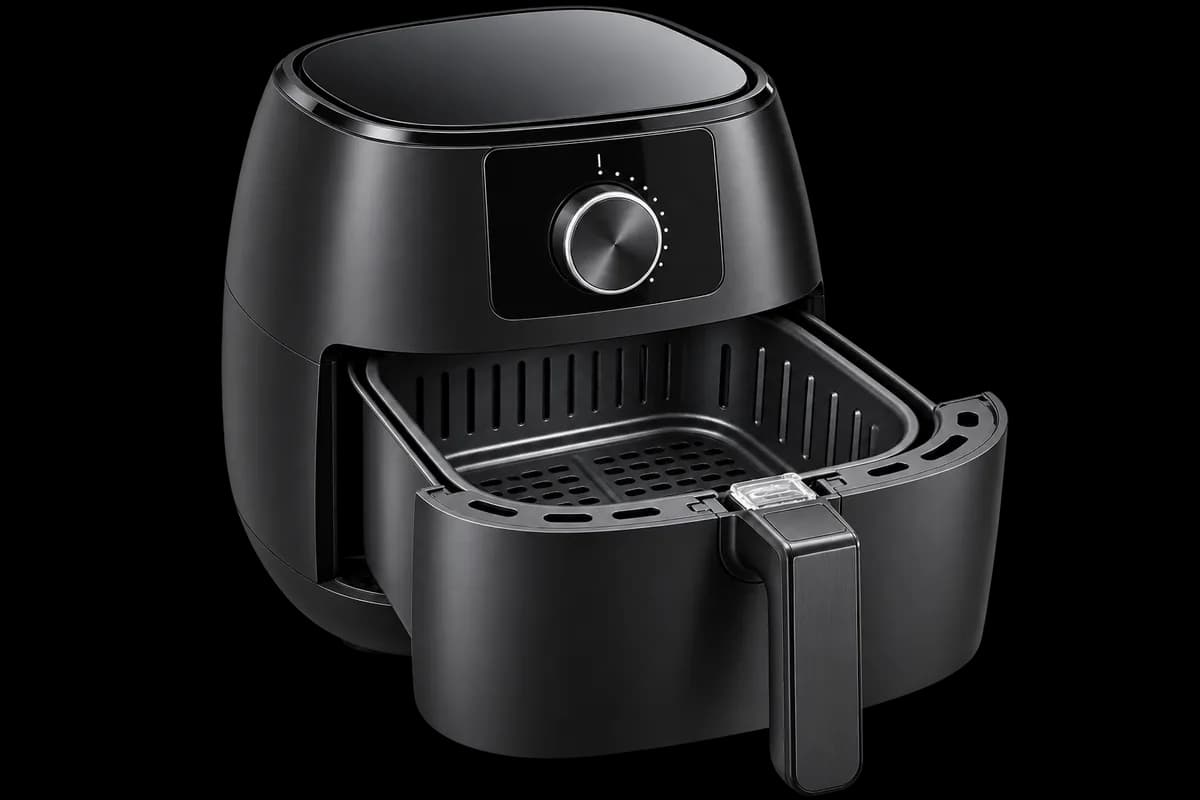
Myth: Air fryers cause cancer.
Poison Control says air fryers are not known to cause cancer. The viral warning was a Prop 65 label, and acrylamide also forms in foods like potatoes when they’re fried, roasted or baked.
Read the full story: Are air fryers safe? What the cancer claim gets wrongSee the swap: Non-stick air fryer to Glass-bowl air fryer
11 of 13 Kitchen
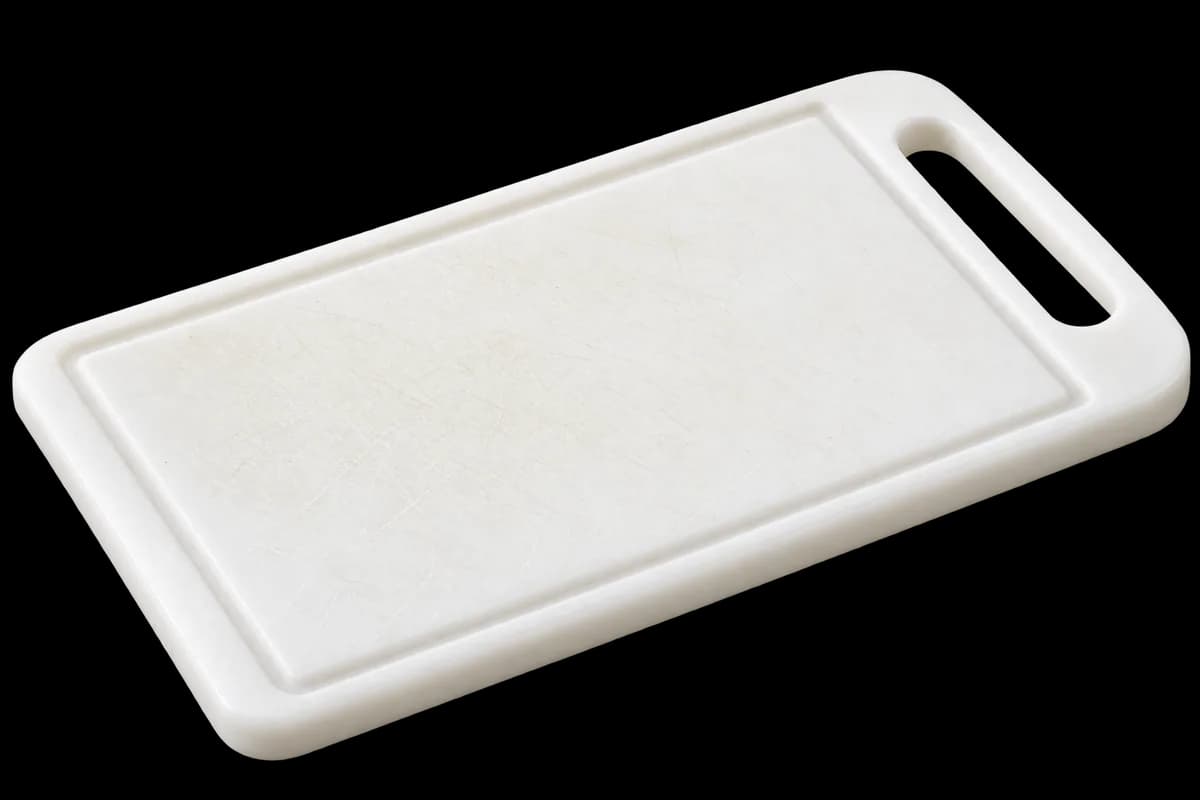
Myth: A plastic cutting board puts 50 grams of plastic in your food every year.
That’s the top of a modelled estimate, not a measurement. Plastic boards do shed particles; what that means for health isn’t known yet. Solid wood avoids the plastic.
Read the full story: Are plastic cutting boards safe? The number, explainedSee the swap: Plastic cutting board to Wood board
12 of 13 Coffee & Tea
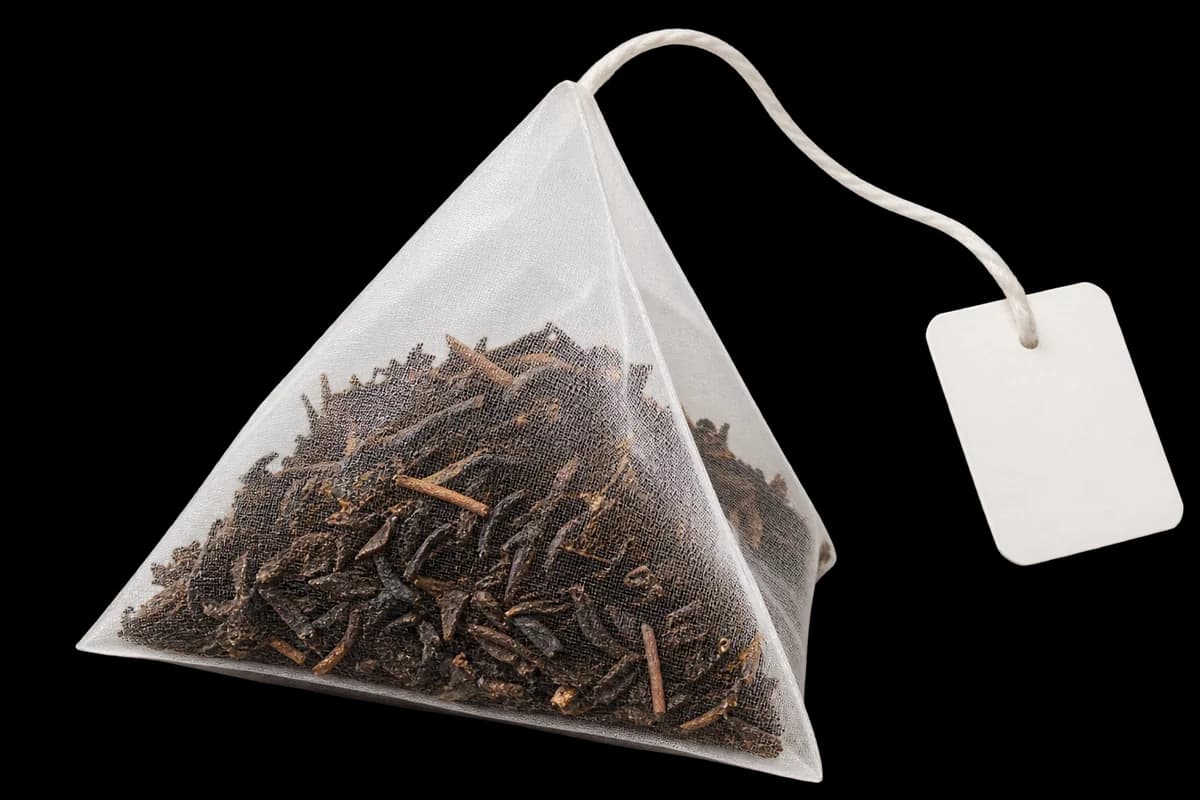
Myth: Every cup from a plastic tea bag has billions of microplastics in it.
Particles from plastic tea bags can end up in the tea, but a recount found far fewer than the 2019 headline. Germany’s risk agency says a health risk is unlikely.
Read the full story: Do tea bags have plastic in them? Some do. How to tellSee the swap: Silky pyramid (mesh) tea bags to Steel tea infuser
13 of 13 Baby & Kids
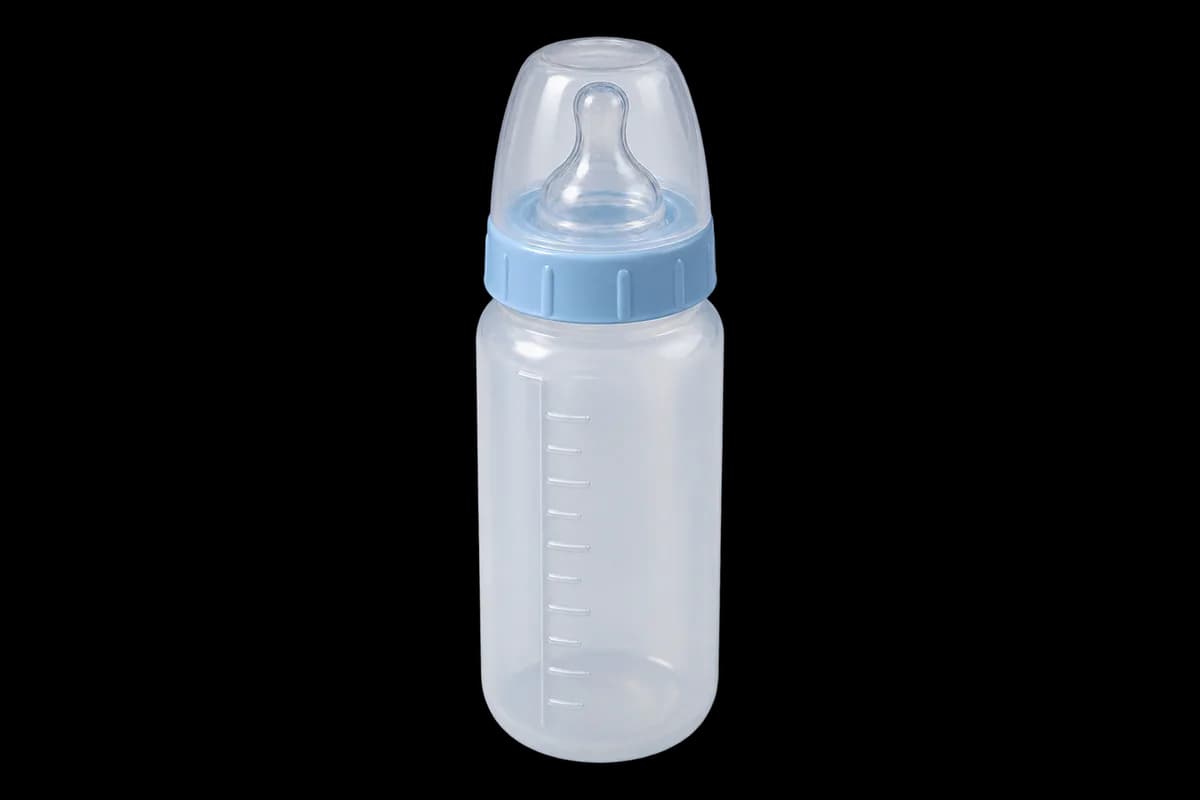
Myth: Plastic baby bottles shed millions of microplastics into every feed.
In a 2020 lab study, polypropylene bottles shed up to 16.2 million particles per litre with 70°C water, more when hotter. How much babies take in varies, and the health effect hasn’t been assessed.
Read the full story: Do plastic baby bottles shed microplastics? What to knowSee the swap: Plastic baby bottles to Glass baby bottles