What makes cookware non-toxic?
Mostly, having nothing on the surface to scratch, flake or overheat. Cast iron, carbon steel, stainless steel and glass are uncoated. Enamel and glazed ceramic have no non-stick coating either; the FDA’s lead cautions for glazed pottery are mainly about handmade, antique, worn or damaged pieces. Source 7
Every material has a trade-off. Cast iron is heavy, and it and carbon steel need seasoning. Stainless needs none. Glass is mostly for the oven.
Is non-stick cookware safe?
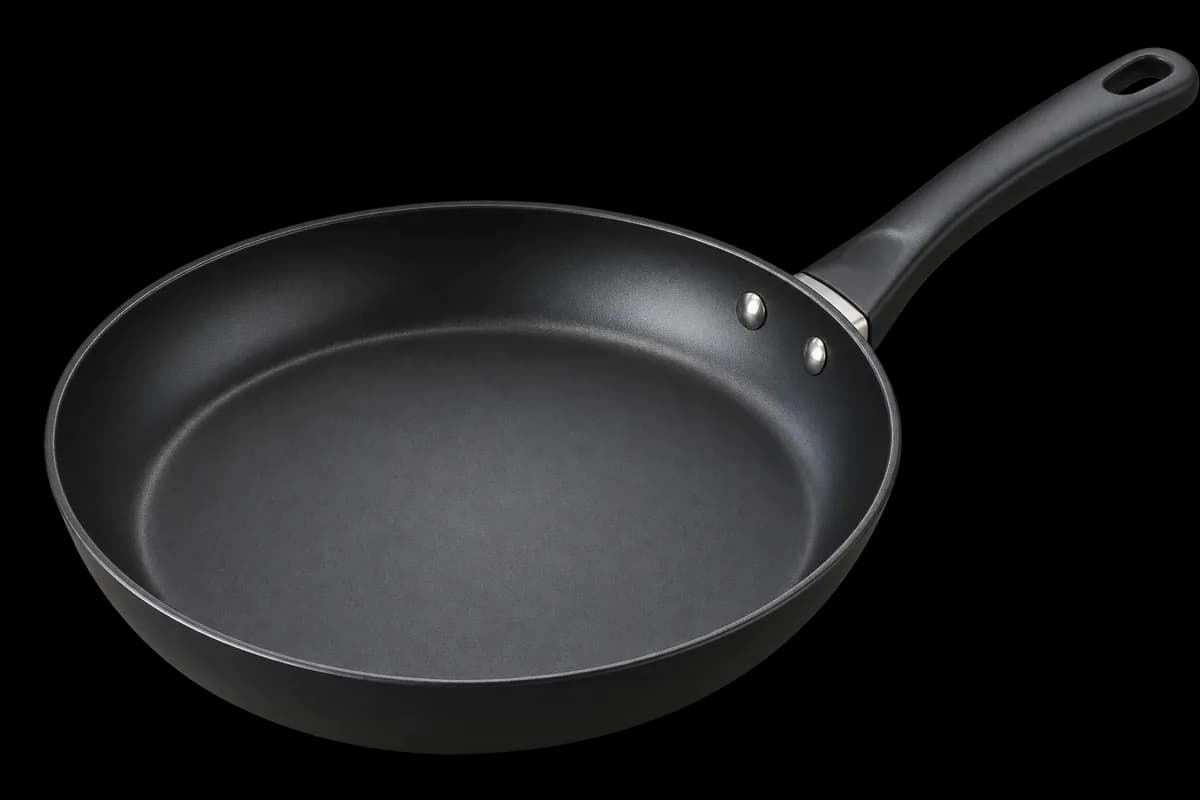
Generally yes, with basic care. Poison Control puts it plainly: “In general, nonstick cookware is safe if you follow basic precautions.” Source 1
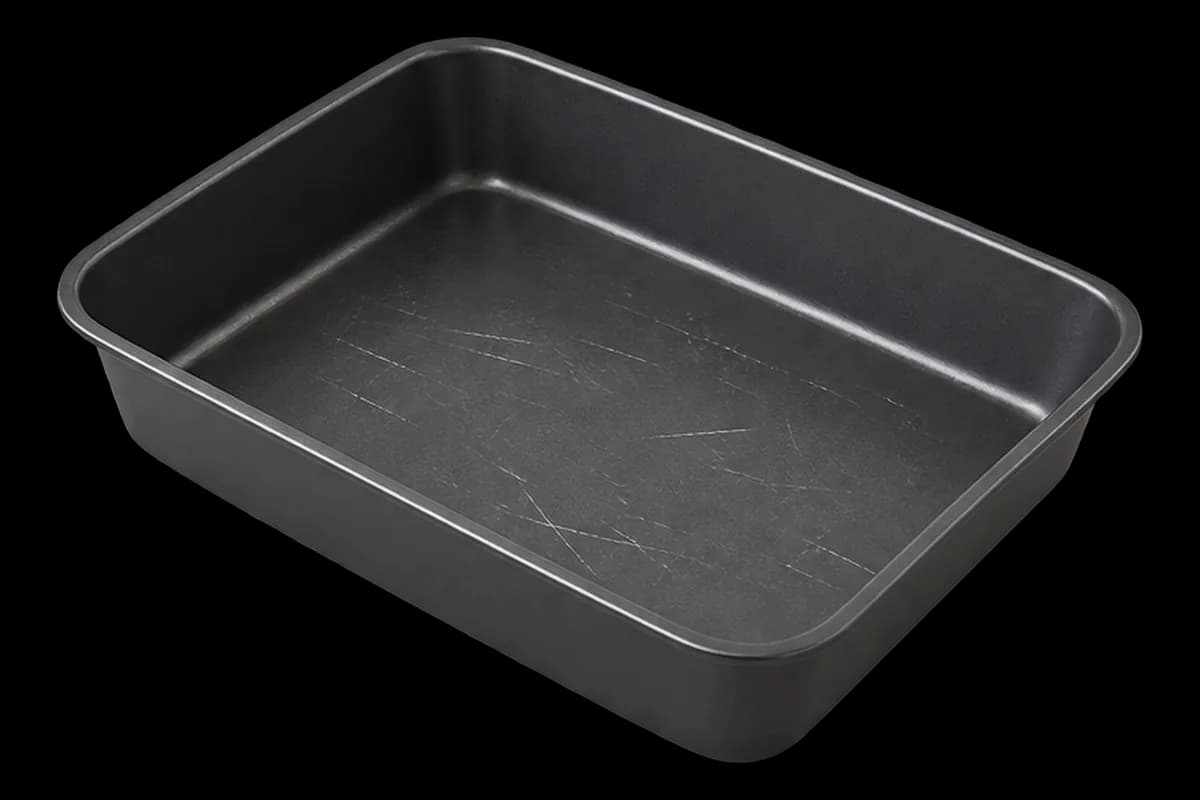
Those precautions matter. Non-stick pans are mainly coated with PTFE, sold under brand names such as Teflon™. Source 3 Poison Control says the coating “starts to break down when exposed to temperatures above about 500 °F”. It advises “do not preheat an empty pan”, and notes that “old pans with scratches and chips in the coating also present a risk.” Breathing the fumes can cause chills, fever, tiredness or aches that usually clear within 1 to 2 days. Birds are extremely sensitive to the fumes, which can be fatal to them. Source 1
On food, the FDA says “studies show negligible amounts of PFAS in this coating can migrate to food.” Source 2 A 2022 lab study estimated that a scratched coating might release “thousands to millions” of tiny PTFE particles during a mimic cooking process. That’s an estimate from one lab method, not a measured amount in food. Source 3
The coating is still a PFAS (the FDA lists non-stick coatings among its authorized uses of PFAS), Source 2 so we’d still swap a worn pan for an uncoated one.
Is ceramic cookware safe?
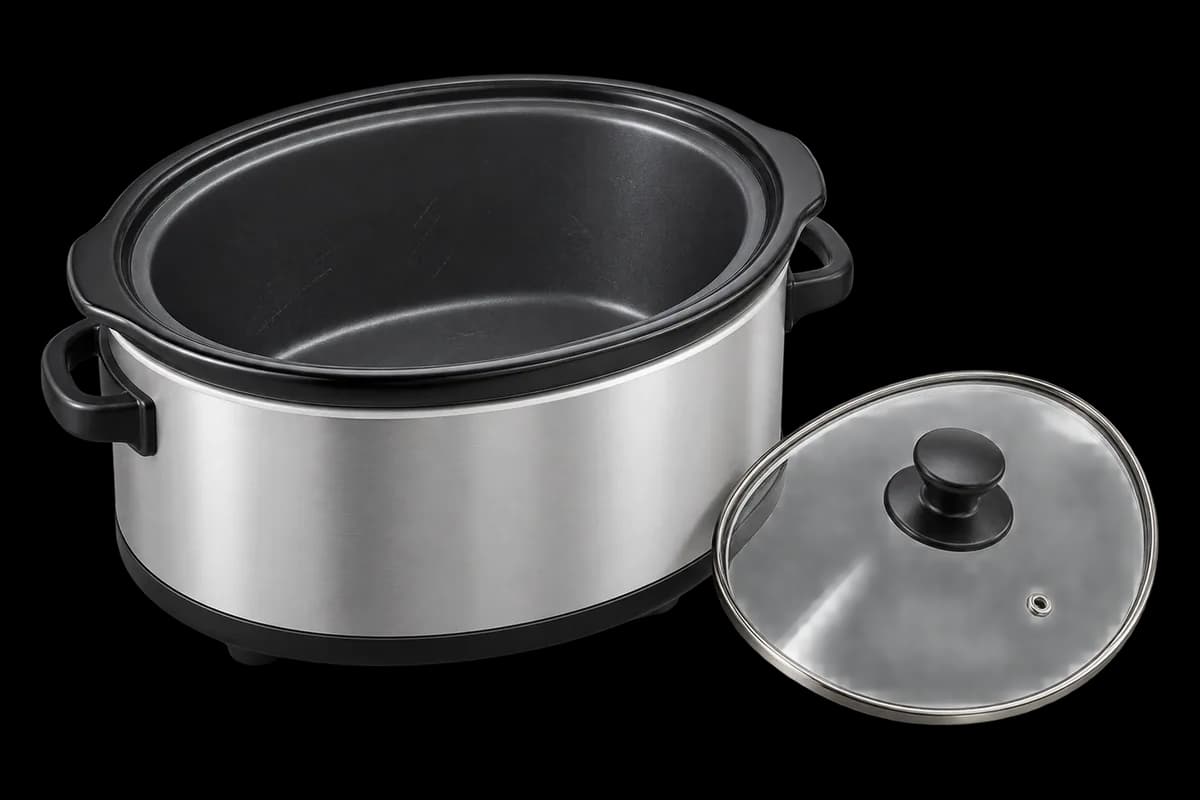
It depends which kind. ‘Ceramic non-stick’ pans are metal with a thin non-stick coating; solid ceramic and enamel are glazed.
Ceramic non-stick coatings are newer, and the research we found is two lab studies. One 2017 study tested frying pans with what the Food Packaging Forum calls a “quasi-ceramic” coating: Source 5 titanium dioxide and quartz particles, some nano-sized, held in a silicone base. Titanium-containing particles moved into the test liquids, titanium dioxide nanoparticles were confirmed in the acetic acid one, and scratch and wear tests showed possible further release. Source 4 Another tested two ceramic cookware pieces and found nanoparticles released only under its harshest test, abrasion with a tungsten carbide burr. Source 6 Neither study says what this means for health. We treat these pans as coated cookware, not uncoated.
For glazed ceramic, the FDA says that when pottery is fired properly “essentially all the lead is bound into the glaze.” Its cautions are for pieces such as handmade pottery with a crude look, antiques, damaged or excessively worn items, and anything marked “Not for Food Use—May Poison Food.” It adds that “no amount of washing, boiling, or other process can remove lead from pottery.” Source 7
Is stainless steel non-toxic?
It’s one of the simplest choices: there’s no coating to scratch or flake, though it isn’t completely inert.
A 2013 lab study cooked tomato sauce with stainless steel for 2 to 20 hours and found nickel and chromium in the sauce went up, most with new steel. The amount dropped with repeated cooking and “stabilized after the sixth cooking cycle”, but some still moved into the food. Source 8 The authors suggested that avoiding stainless steel “may be prudent” for people with nickel and chromium sensitivities, while noting the benefit of doing so is still unknown. If that applies to you, cast iron and glass are options without stainless steel. Source 8
What about aluminum and imported pots?
Some imported aluminum and brass pots can leach lead into food. In 2025 the FDA warned retailers and consumers “not to sell or use certain imported cookware”. Some imported products made from “aluminum, brass, and aluminum alloys known as Hindalium/Hindolium or Indalium/Indolium” were tested by the FDA and state partners and found to leach lead into food. It lists the products in its alert, and says to throw away cookware that may leach lead: “Do not donate or refurbish this cookware.” Source 9
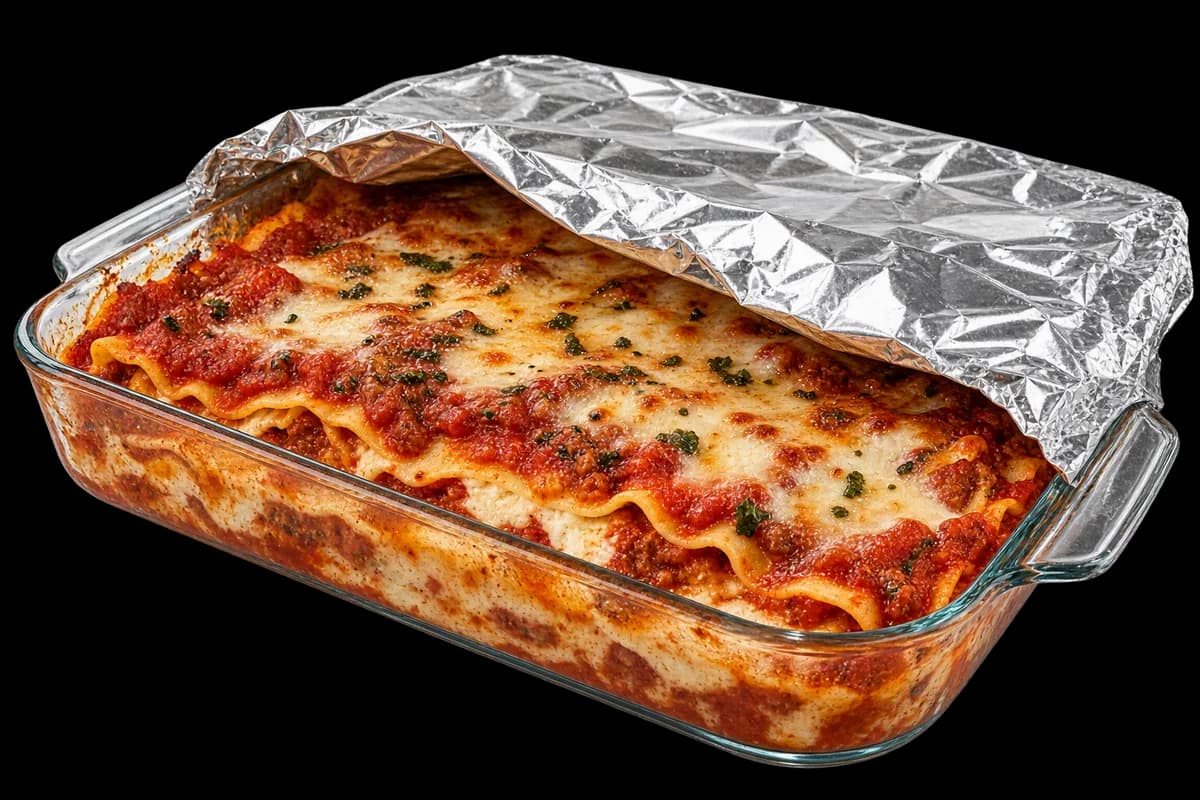
Separately, baking food in aluminum foil can move aluminum into it. In one study, marinated foods picked up the most; the authors called the amounts “not alarming”. Source 10 That’s the reason for our foil swap: beeswax wraps for leftovers, and a glass dish with a glass lid for the oven.
Does an air fryer basket count as cookware?
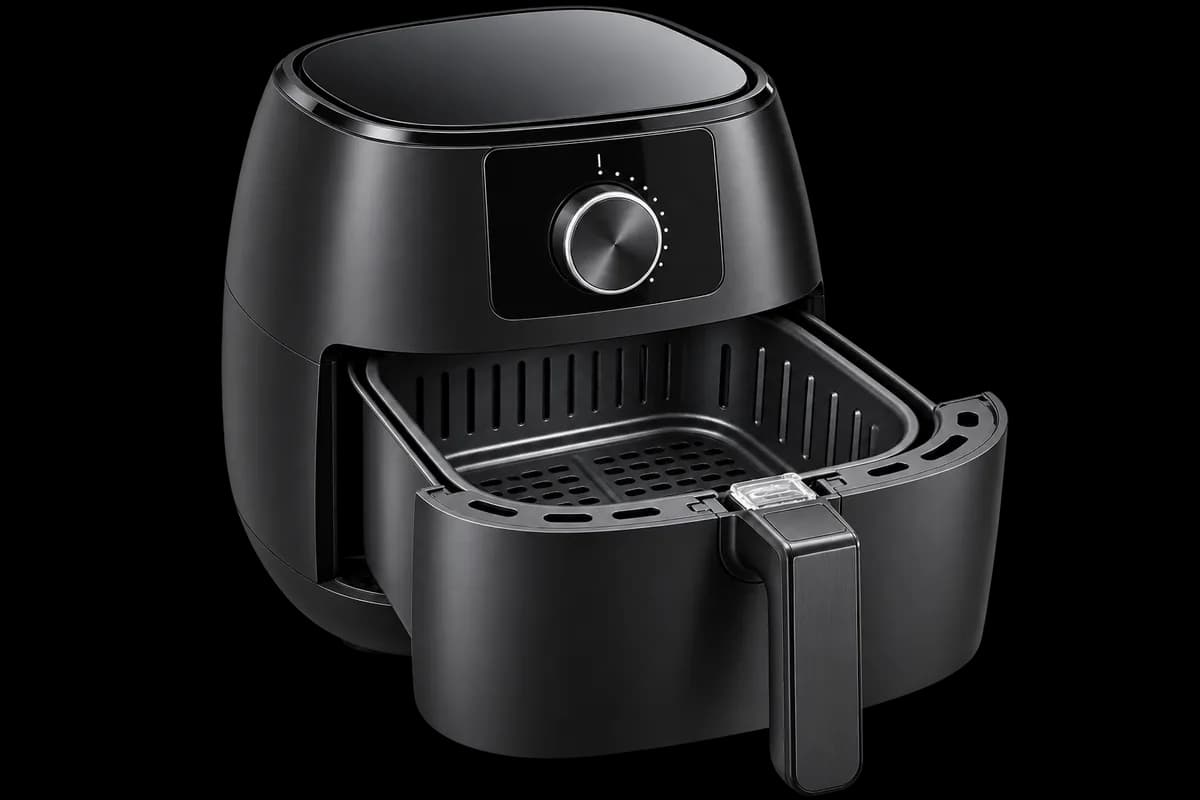
Yes, and many baskets are non-stick, so the same care applies: avoid scratching the coating, and replace it if it’s damaged. Source 1 Our air fryer swap is a glass-bowl air fryer: the bowl is glass, though the crisper plate inside still has a ceramic non-stick coating. A bare steel oven basket has no coating at all, but it’s slower because it uses your full oven; it’s the swap’s cleanest upgrade.
General information, not medical advice. Ask your doctor, especially if you’re pregnant, nursing or have a health condition.