Guide

How to reduce microplastics at home: what actually helps

There’s no proven way to flush microplastics out, but you can take in fewer: filter your tap water, boil it if it’s hard, and keep heat away from plastic.

No detox is proven. What you can change is how much comes in, and water and heat are the easiest places to start.

Bottom line

No detox is proven. Cutting what you take in is the part you control, and your drinking water and anything you heat in plastic are the easiest places to start.

Can you detox microplastics?

Not in any proven way: experts say nothing has been shown to speed up how the body clears microplastics. Source 1

“There’s no scientifically proven ‘detox’ method to speed up removal of any microplastics from the body,” Columbia biophysicist Wei Min told TODAY in 2025. Paul Anastas, who directs Yale’s Center for Green Chemistry and Green Engineering, said there’s no way to flush them out “beyond what the body is doing already.” Source 1

So the useful question is how to take in fewer. That’s what every swap on this page is for.

Are microplastics harmful?

Nobody knows yet whether microplastics are harmful. In 2019, WHO said that, “based on the limited information we have,” microplastics in drinking water “don’t appear to pose a health risk at current levels,” and called for more research. Source 2

Since then, a 2024 study of 257 people who had surgery on a neck artery found plastic in the artery plaque of about 6 in 10. Over about three years, those people were more likely to have a heart attack or stroke, or to die, than people whose plaque had none. That’s a link, not proof that the plastic caused it. Source 3

Does boiling water remove microplastics?

In a lab test, mostly, if your water is hard. In a 2024 study, boiling hard tap water (over 120 mg of calcium carbonate per litre) removed at least 80% of the plastic particles added to it. Source 4

As the water heats, the minerals that form limescale trap the particles. In water with 300 mg of calcium carbonate per litre, up to 90% were removed; in soft water (under 60 mg per litre), about 25%. The study’s press release suggests pouring the boiled water through a simple filter, such as a coffee filter, to catch what’s left. Source 5

The researchers added three kinds of plastic to tap water from one city and boiled it for five minutes, so treat it as promising rather than settled. Source 4 Source 5 Boil in glass or steel: in a 2025 study, polypropylene kettles released the most plastic particles in their first boils, and less with each use after. Source 6

Do water filters remove microplastics?

Some do, and the certificate tells you which. Look for a microplastics result under NSF/ANSI 401.

Our pick, the PUR PLUS faucet filter, lists a 99.65% microplastics reduction under NSF/ANSI 401 on its performance data sheet, where the standard asks for at least 85%. The same sheet covers lead and total PFAS. Source 7 If you can install one, the A. O. Smith AO-US-200 under-sink filter, the swap’s other pick, lists a passed microplastics test too: more than 85% reduction of particles from 0.5 to under 1 micrometre. Source 8 Both have plastic housings and cartridges; we haven’t found a certified filter that isn’t.

Bottled water isn’t plastic-free either. A 2024 study estimated about 240,000 plastic particles per litre of bottled water, about 90% of them nanoplastics. Source 9

Where else do microplastics come from at home?

Studies point to plastic that’s heated or scraped, and to dust.

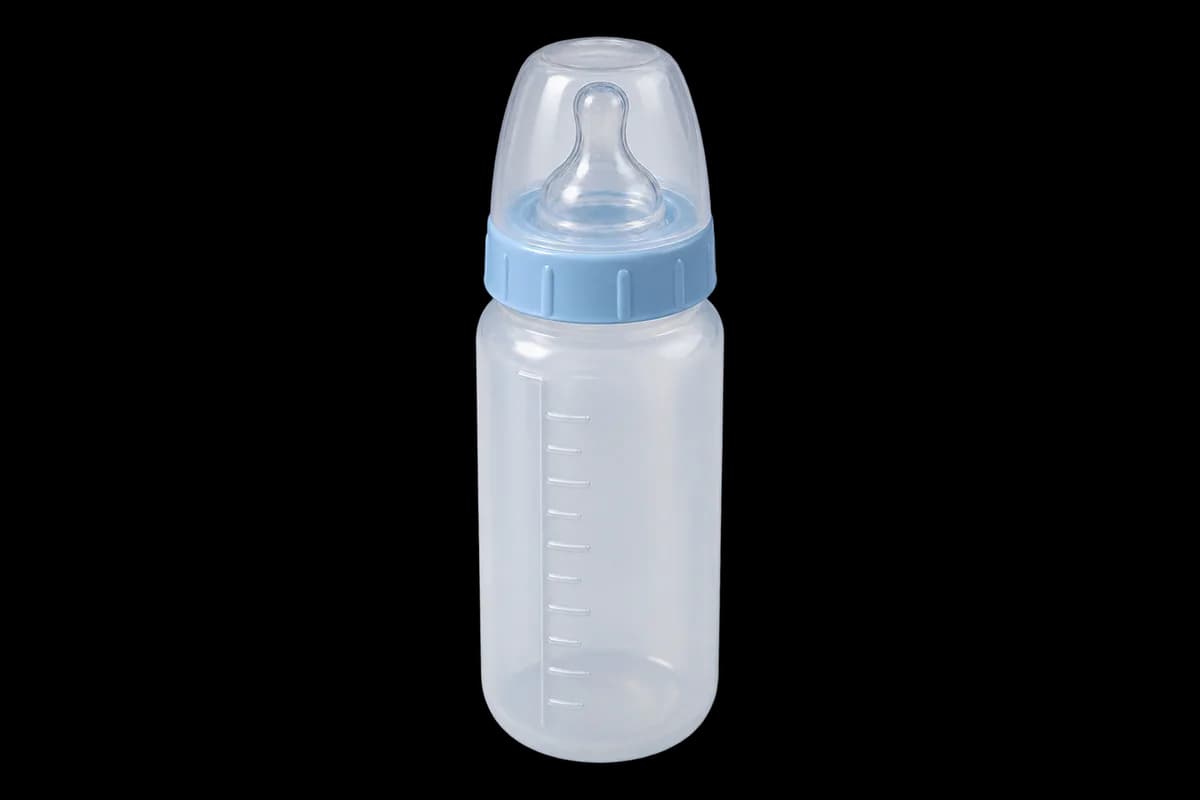
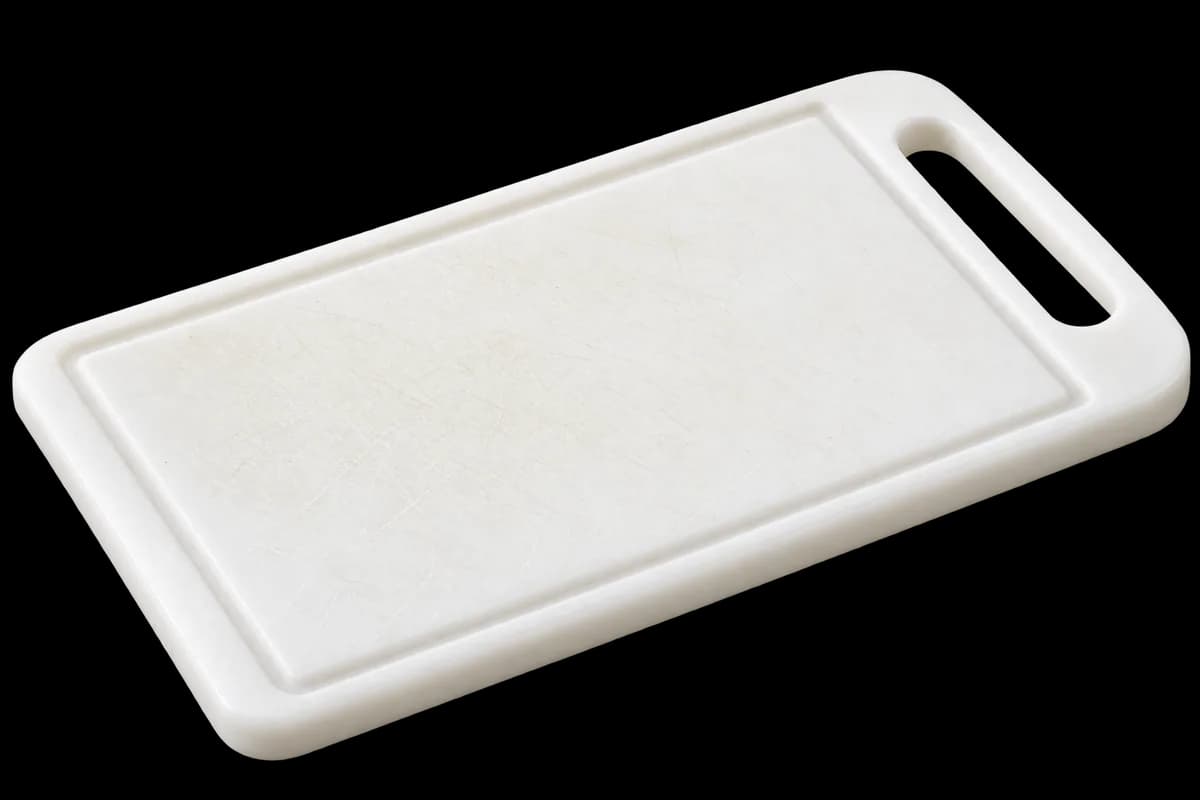
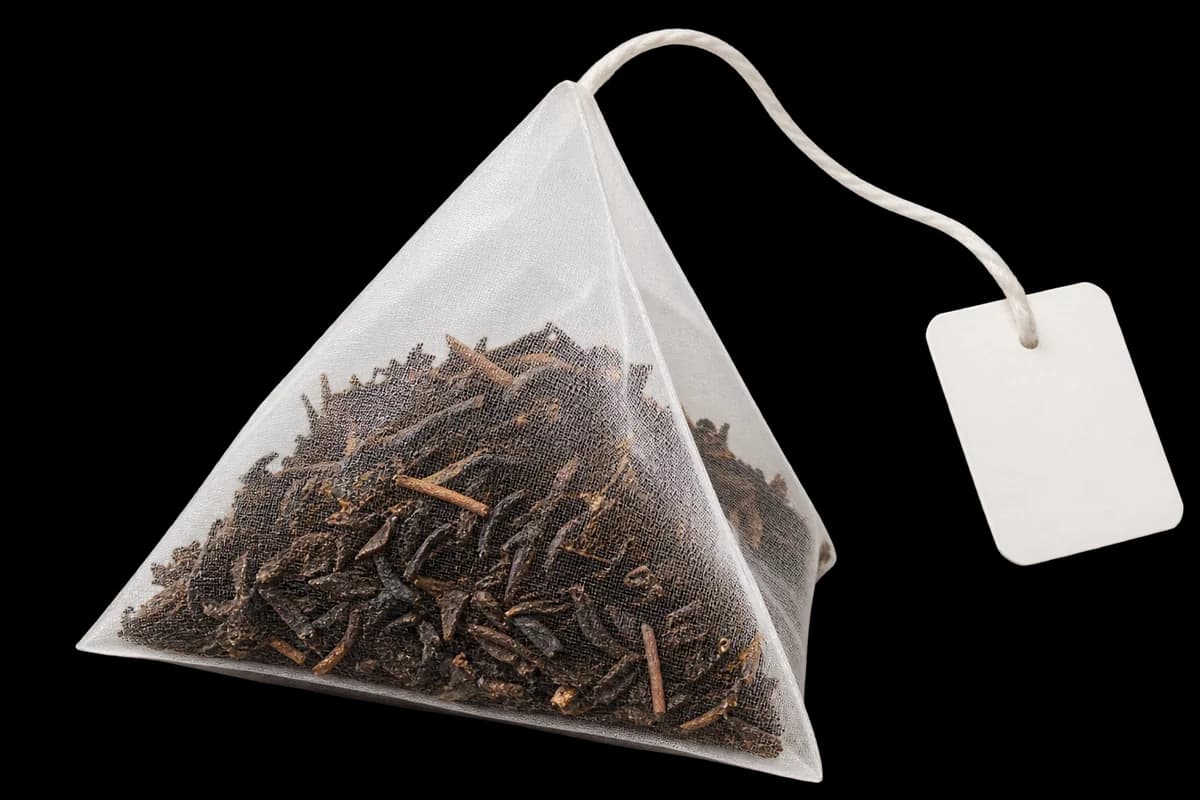
In a 2023 test of plastic food containers, microwaving released more particles than storing food in the fridge or at room temperature. Source 10 Polypropylene baby bottles shed more after sterilising and with hot water. Source 11 One study estimated that chopping on plastic boards could expose a person to tens of millions of particles a year. Source 12 In one lab test, plastic mesh tea bags released billions of particles at 95 °C. Other scientists questioned that count, and Germany’s Federal Institute for Risk Assessment calls it “clearly too high.” Source 13 Source 14 Source 15

Dust may matter too. A 2018 study found that fibres settling from household dust onto a plate at mealtimes far outnumbered the microplastics a person would eat in a year of mussels. Source 16

General information, not medical advice. Ask your doctor, especially if you’re pregnant, nursing or have a health condition.
How can you reduce microplastics at home?

Start with what you drink every day, then anything you heat. These swaps each take one source off the list, and every swap page links its own studies.

  • Certified to cut lead and total PFAS, with a microplastics result under NSF/ANSI 401.

    Water

    Unfiltered tap water swap to Certified water filter

    Step one is free: check the water quality report EPA requires your supplier to send each year. If it lists PFAS, or your home may have lead pipes or older brass fixtures, pick a certified filter: one clips onto your tap with no tools, and one fits under the sink if you can install it.

    Swap outUnfiltered tap water, the old item this swap replaces
    swap to

    Our pick

    No tools, renter-friendly: PUR PLUS faucet filter, vertical (FM2500V)

    Meets our bar

    • Fewer chemicals
    • Saves money
    See the swap: Unfiltered tap water to Certified water filter
  • Boil in glass or steel, not polypropylene.

    Coffee & Tea

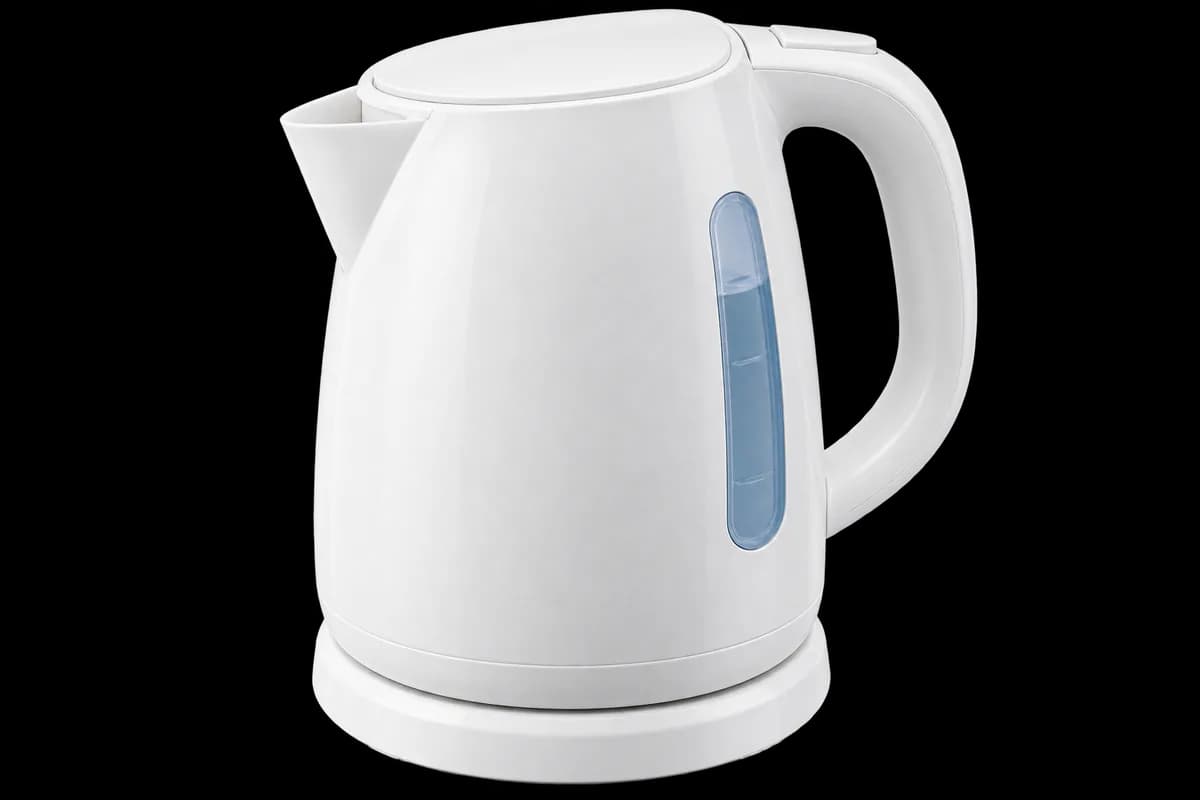
    Plastic kettle swap to Glass kettle

    A new plastic kettle can release billions of nanoplastics per cup on its first boil.

    Swap outPlastic kettle, the old item this swap replaces
    swap to

    Our pick

    Cosori glass kettle, no plastic contact

    Meets our bar

    • Fewer chemicals
    • Less plastic
    See the swap: Plastic kettle to Glass kettle
  • Fill from the tap instead of buying bottled water.

    Kitchen

    Plastic water bottle swap to Steel bottle

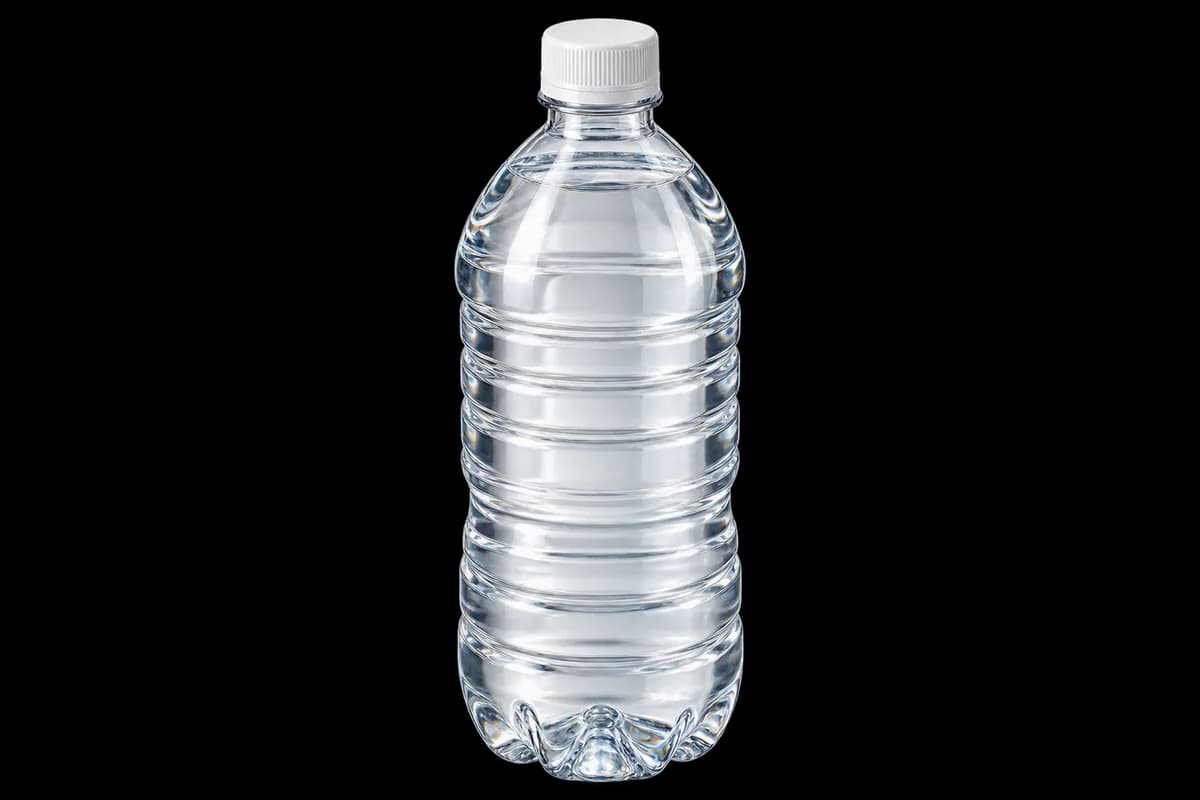
    A litre of bottled water can hold hundreds of thousands of plastic particles.

    Swap outPlastic water bottle, the old item this swap replaces
    swap to

    Our pick

    Bambaw insulated 24 oz, bamboo/steel cap

    Meets our bar

    • Fewer chemicals
    • Less plastic
    • Saves money
    See the swap: Plastic water bottle to Steel bottle
  • Pod coffee carried microplastics in a 2025 study; a steel pod holds your own grounds.

    Coffee & Tea

    Plastic coffee pods swap to Steel refillable pod

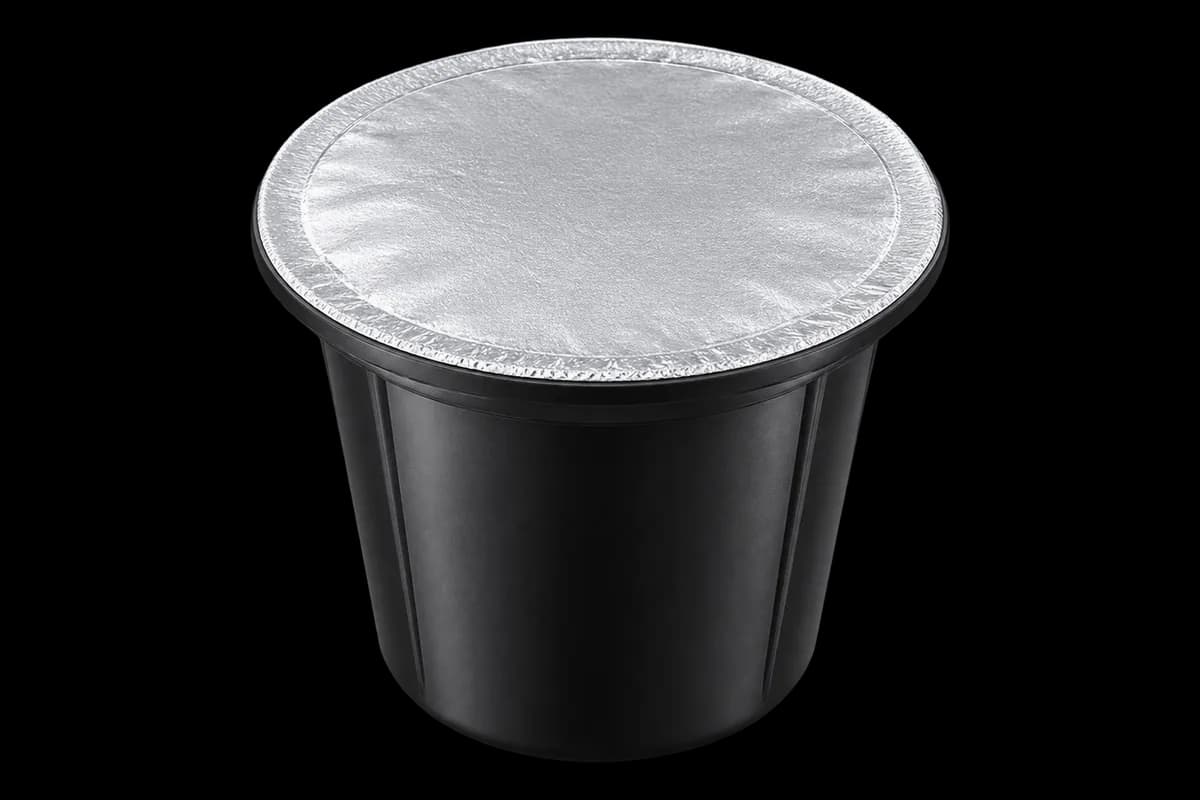
    In a 2025 UK study, coffee brewed from plastic pods carried microplastics of the same kind of plastic as each pod, one of its authors reported. A steel refillable pod takes the plastic pod out of the brewer you already have.

    Swap outPlastic coffee pods, the old item this swap replaces
    swap to

    Our pick

    NESSUS 304 stainless steel refillable K-cups, Keurig 1.0, 4-pack

    Meets our bar

    • Fewer chemicals
    • Less plastic
    • Saves money
    See the swap: Plastic coffee pods to Steel refillable pod
  • Hot water touches only glass and the paper filter, not a plastic machine.

    Coffee & Tea

    Plastic drip coffee maker swap to Glass pour-over

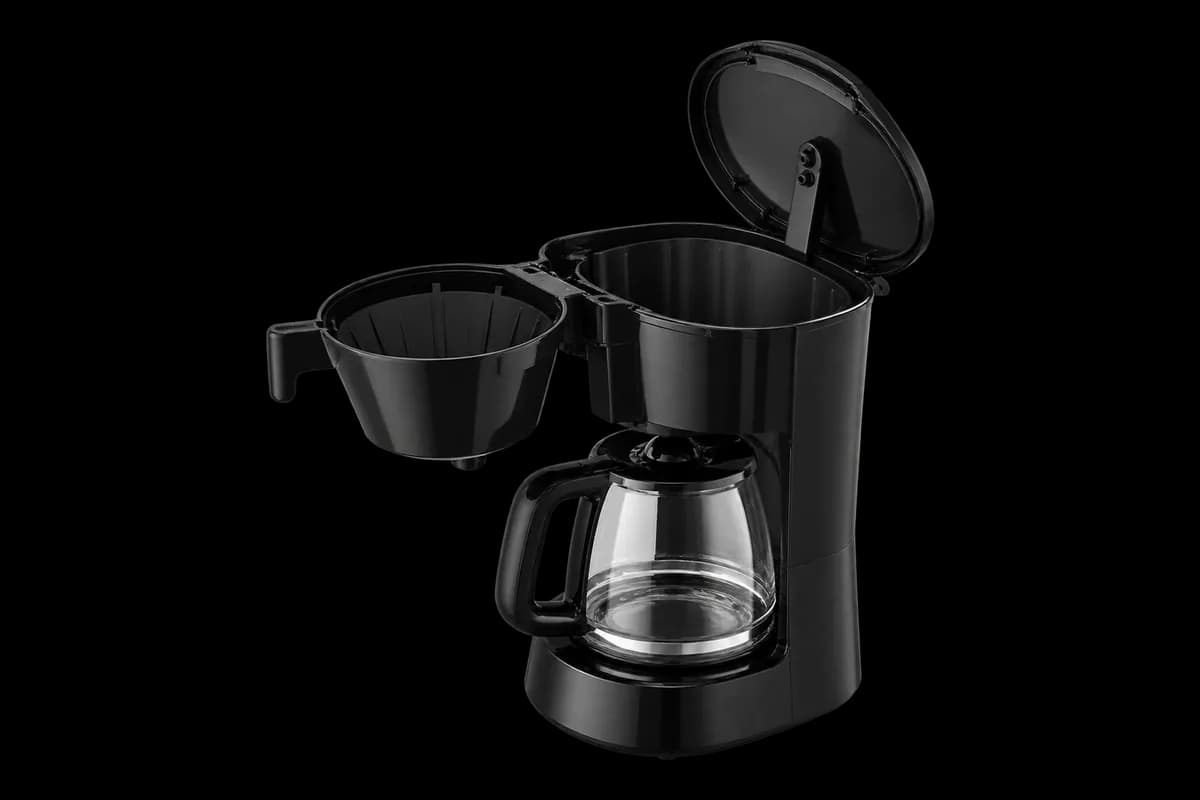
    The simplest plastic-free coffee maker is a glass pour-over: hot water touches only glass and the paper filter, not the plastic parts of many drip machines.

    Swap outPlastic drip coffee maker, the old item this swap replaces
    swap to

    Our pick

    Chemex Classic 10-cup glass pour-over

    Meets our bar

    • Fewer chemicals
    • Less plastic
    See the swap: Plastic drip coffee maker to Glass pour-over
  • Reheat in glass; microwaving released the most plastic in tests.

    Kitchen

    Plastic food containers swap to Glass containers

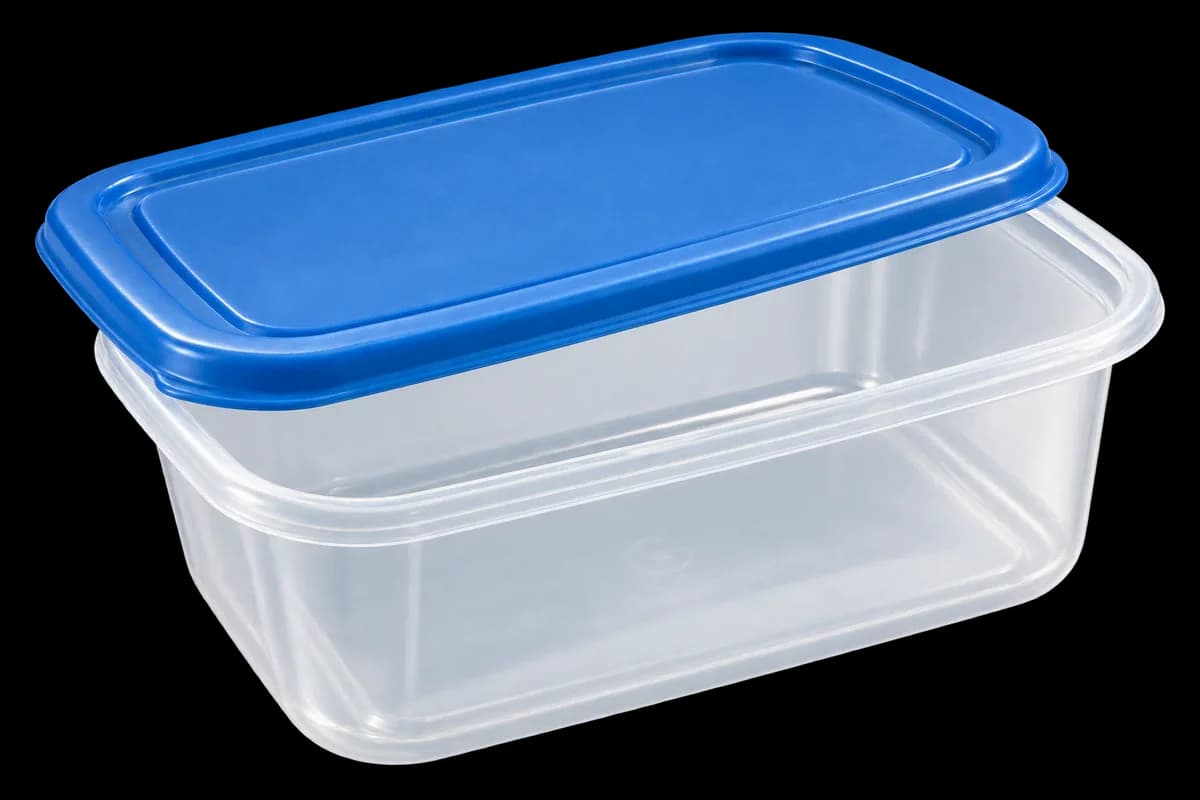
    Microwaving leftovers in plastic? In a 2023 lab study, that’s when it shed the most.

    Swap outPlastic food containers, the old item this swap replaces
    swap to

    Our pick

    Liuruiyu glass, glass lids, 10-pk (5×12.5 + 5×35.2 oz)

    Meets our bar

    • Fewer chemicals
    • Less plastic
    See the swap: Plastic food containers to Glass containers
  • Glass handles sterilising and hot formula.

    Baby & Kids

    Plastic baby bottles swap to Glass baby bottles

    Hot formula in a plastic bottle can shed millions of particles per litre. Glass isn’t plastic, so it can’t shed microplastics.

    Swap outPlastic baby bottles, the old item this swap replaces
    swap to

    Our pick

    BIBS glass bottle, natural rubber nipple, 225 ml

    Meets our bar

    • Fewer chemicals
    • Less plastic
    See the swap: Plastic baby bottles to Glass baby bottles
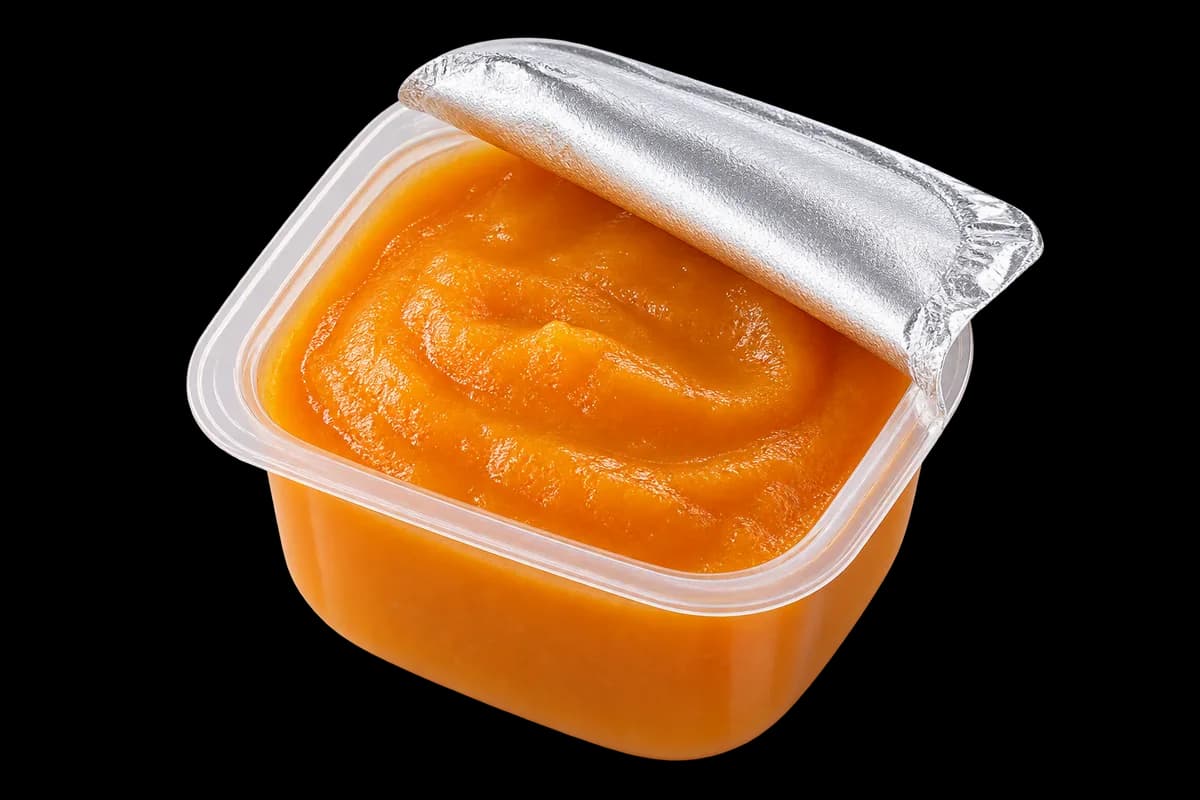
  • Store and warm baby food in glass; the microwave is when plastic sheds the most.

    Baby & Kids

    Plastic tubs for homemade baby food swap to Glass baby jars

    Warm it in a glass dish, not the plastic tub. Microwaving baby food in plastic can release billions of nanoplastic particles; glass sheds none.

    Swap outPlastic tubs for homemade baby food, the old item this swap replaces
    swap to

    Our pick

    Weck 751 glass jars with glass lids, 200 ml, 12-pack

    • Fewer chemicals
    • Less plastic
    See the swap: Plastic tubs for homemade baby food to Glass baby jars
  • Knife cuts on wood leave wood fibre, not plastic.

    Kitchen

    Plastic cutting board swap to Wood board

    Chopping on plastic could put millions of microplastic particles in your food each year, a 2023 study estimated.

    Swap outPlastic cutting board, the old item this swap replaces
    swap to

    Our pick

    Brosisincorp one-piece sapele board, 14×9.5"

    • Fewer chemicals
    • Less plastic
    See the swap: Plastic cutting board to Wood board
  • Loose tea in a steel infuser.

    Coffee & Tea

    Silky pyramid (mesh) tea bags swap to Steel tea infuser

    Some silky mesh tea bags are plastic, such as nylon or PET, and in lab tests hot water made them shed tiny particles. A steel infuser has nothing to shed.

    Swap outSilky pyramid (mesh) tea bags, the old item this swap replaces
    swap to

    Our pick

    Exptolii snap ball 3-pk

    Meets our bar

    • Fewer chemicals
    • Less plastic
    See the swap: Silky pyramid (mesh) tea bags to Steel tea infuser
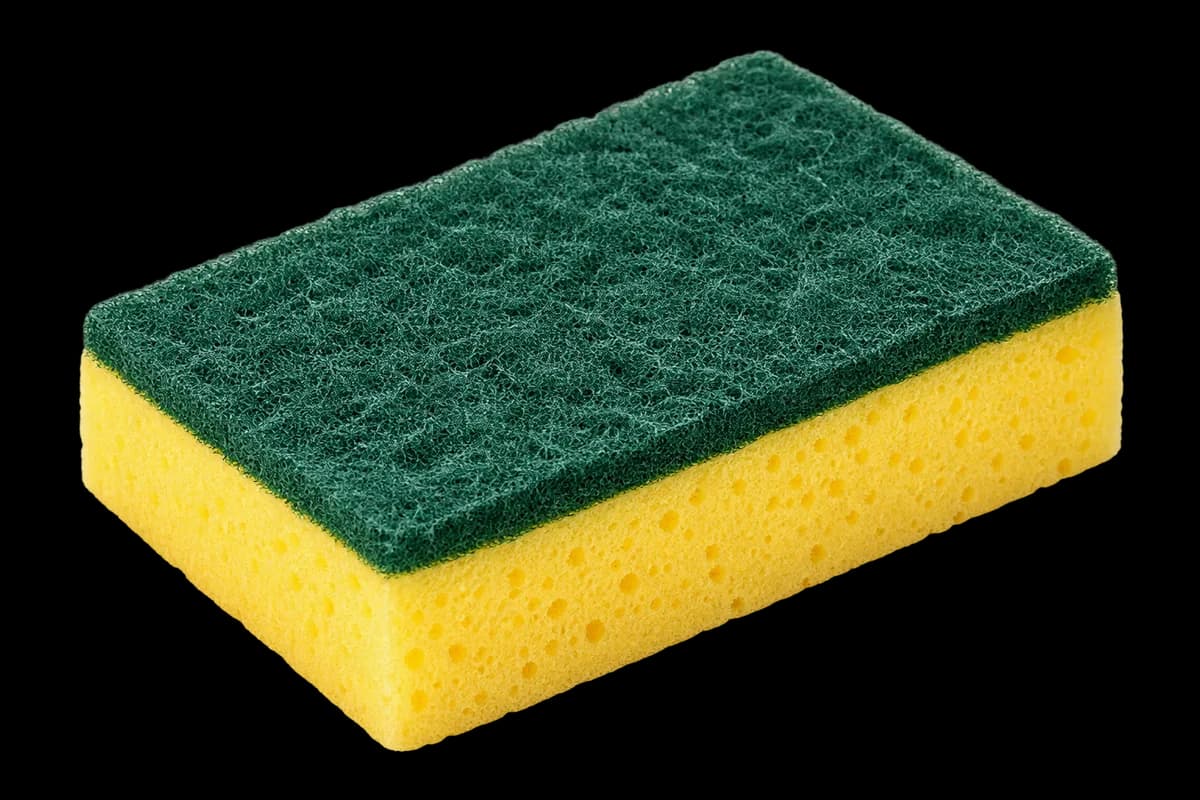
  • Plastic sponges wear down into microplastics; cellulose is plant-based.

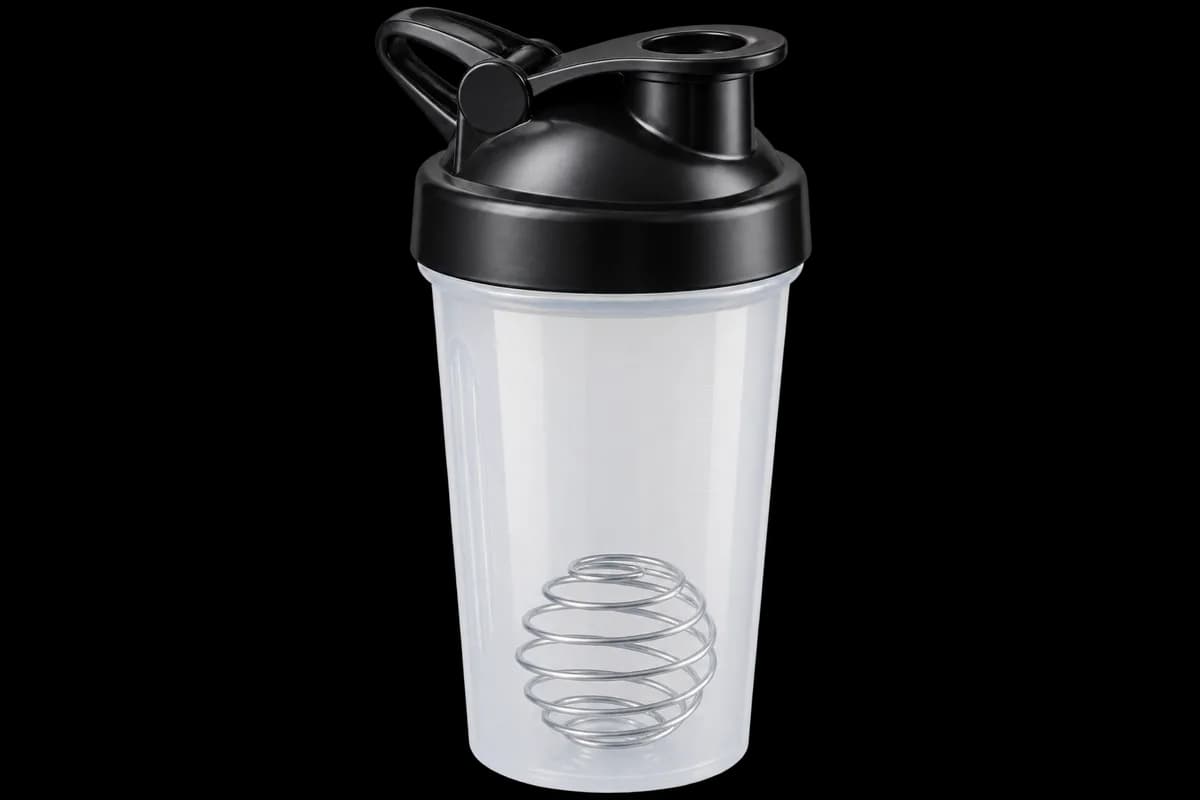
  • Hot water made polypropylene bottles shed more; in steel, your shake never sits against plastic.

    Gym

    Plastic shaker swap to Steel shaker

    Hot water made polypropylene bottles shed more microplastics in a lab study. In a steel shaker, your shake never sits against plastic.

    Swap outPlastic shaker, the old item this swap replaces
    swap to

    Our pick

    BlenderBottle stainless 24 oz

    Meets our bar

    • Fewer chemicals
    • Less plastic
    See the swap: Plastic shaker to Steel shaker

Microplastic claims, checked

Sources (16)
  1. TODAY.com, 20 Mar 2025: no proven 'detox' (Wei Min, Columbia; Paul Anastas, Yale) (opens in a new tab)
  2. WHO, 22 Aug 2019: based on limited information, microplastics in drinking water 'don't appear to pose a health risk at current levels' (opens in a new tab)
  3. Marfella et al. 2024, NEJM: plastic in carotid plaque linked to higher risk of heart attack, stroke or death (observational) (opens in a new tab)
  4. Yu et al. 2024, Environ. Sci. Technol. Lett.: boiling hard water (>120 mg/L CaCO3) removed at least 80% (opens in a new tab)
  5. American Chemical Society press release, 28 Feb 2024: up to 90% at 300 mg/L, about 25% in soft water, spiked samples, coffee-filter tip (opens in a new tab)
  6. Shi et al. 2025, npj Emerging Contaminants: polypropylene kettles release nano- and microplastics, falling with use (opens in a new tab)
  7. PUR faucet filter performance data sheet, 28 Oct 2025: microplastics 99.65% (NSF/ANSI 401, at least 85% required), lead and total PFAS; certified by IAPMO R&T to NSF/ANSI 42, 53, 401 (opens in a new tab)
  8. A. O. Smith AO-US-200 performance data sheet: WQA-certified to NSF/ANSI 42, 53 and 401, microplastics >85% (opens in a new tab)
  9. Qian et al. 2024, PNAS: about 240,000 particles per litre of bottled water, ~90% nanoplastics (opens in a new tab)
  10. Hussain et al. 2023, Environ. Sci. Technol.: microwaving released the most from plastic containers (opens in a new tab)
  11. Li et al. 2020, Nature Food: polypropylene baby bottles shed more with sterilising and hot water (opens in a new tab)
  12. Yadav et al. 2023, Environ. Sci. Technol.: cutting boards as a source of microplastics in food (opens in a new tab)
  13. Hernandez et al. 2019, Environ. Sci. Technol.: plastic tea bags at 95 °C (opens in a new tab)
  14. Busse et al. 2020, Environ. Sci. Technol.: published comment questioning the tea bag count (opens in a new tab)
  15. German Federal Institute for Risk Assessment (BfR), 2025: tea bag particle counts 'clearly too high' (opens in a new tab)
  16. Catarino et al. 2018, Environmental Pollution: household dust fibres during a meal vs microplastics in mussels (opens in a new tab)