Top 10 Swaps
The ten swaps to make first: wool dryer balls instead of dryer sheets, a one-piece sapele cutting board, glass containers with glass lids, a loofah sponge, an unscented all-purpose spray, an insulated steel bottle, a cast-iron skillet, uncoated beech spoons, beeswax wraps in place of foil and fragrance-free dishwasher powder.
One tap puts all 10 in your Amazon cart.
We earn a commission if you buy.
What's inside
Tap a swap for the reasons.
 swap to
Dryer sheets→ Wool dryer ballsOtylzto 6-pk
100% wool. Fragrance-free, makers say they last 1,000+ loads, and they can cut drying time.
 swap to
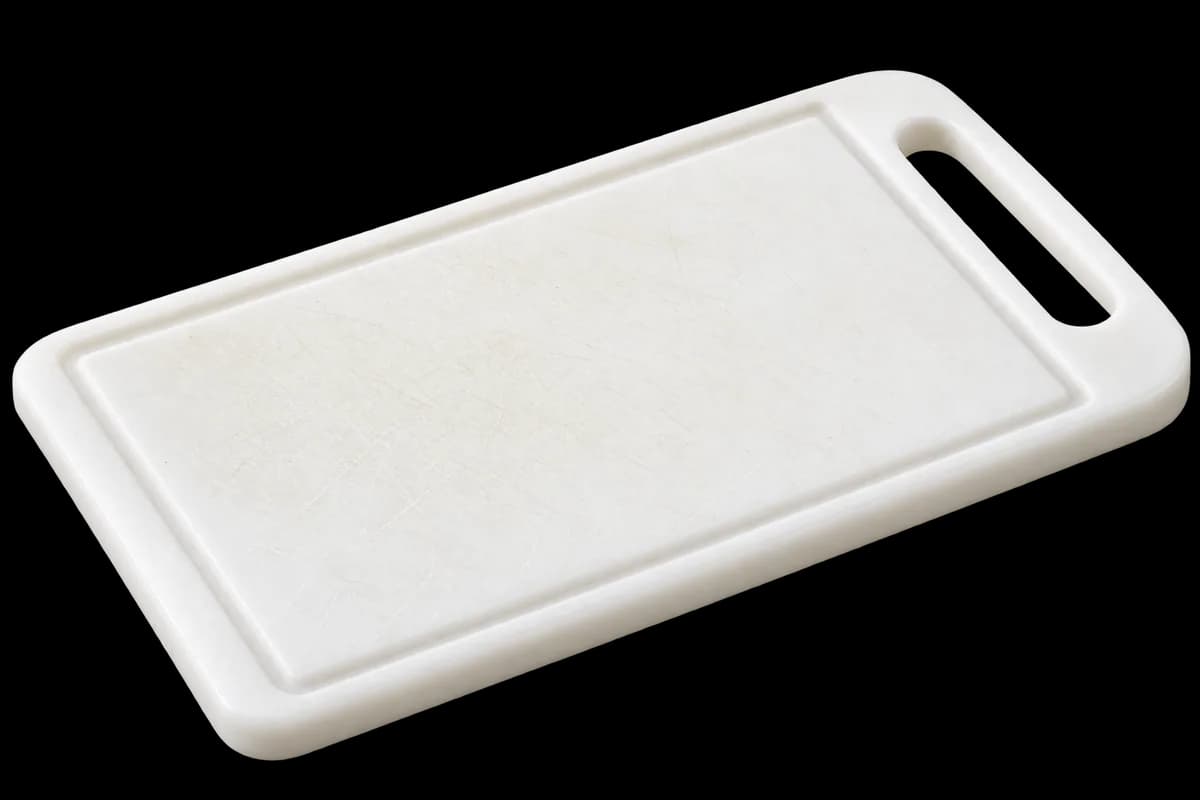
Plastic cutting board→ Wood boardBrosisincorp one-piece sapele board, 14×9.5"
Solid hardwood, ideally one piece with no glue. Our pick is sapele, which its maker says is cut from one piece with no glue or joints. It sheds wood fibre, not plastic.
About 14 × 9.5 inches, cut from one piece of sapele with no glue, the maker says. Pre-oiled with olive oil; small silicone feet sit on one edge, away from the cutting surface.
 swap to
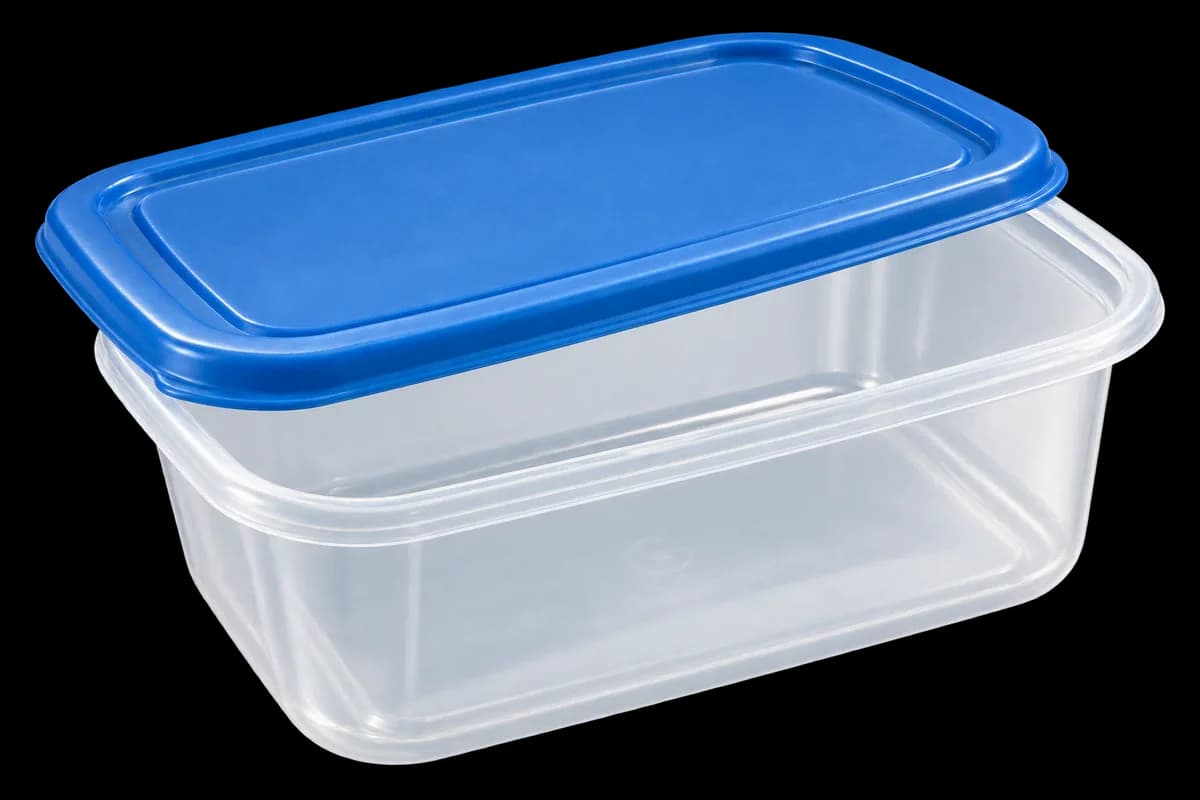
Plastic food containers→ Glass containersLiuruiyu glass, glass lids, 10-pk (5×12.5 + 5×35.2 oz)
Borosilicate glass with glass lids, so food only touches glass. Microwave-, oven- and freezer-safe.
 swap to
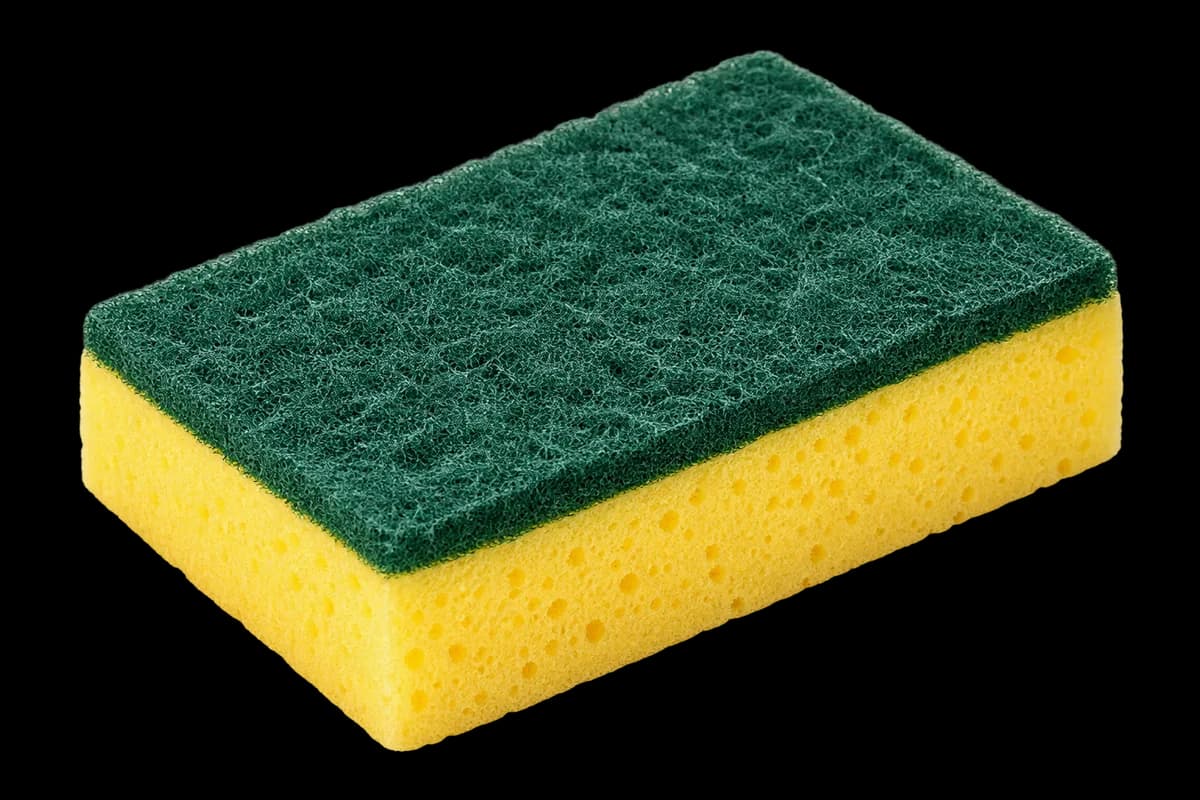
Plastic sponge→ Cellulose spongeWith scrubber: Full Circle loofah sponge, cotton-stitched, 2-pk
Cellulose (wood pulp) or loofah (a dried gourd). Both are plant-based.
Loofah scrub side stitched onto plant-based cellulose with cotton thread, no glue. The maker says it’s 100% plastic-free. (Full Circle’s walnut and coconut sponges are different and contain recycled plastic.)
 swap to
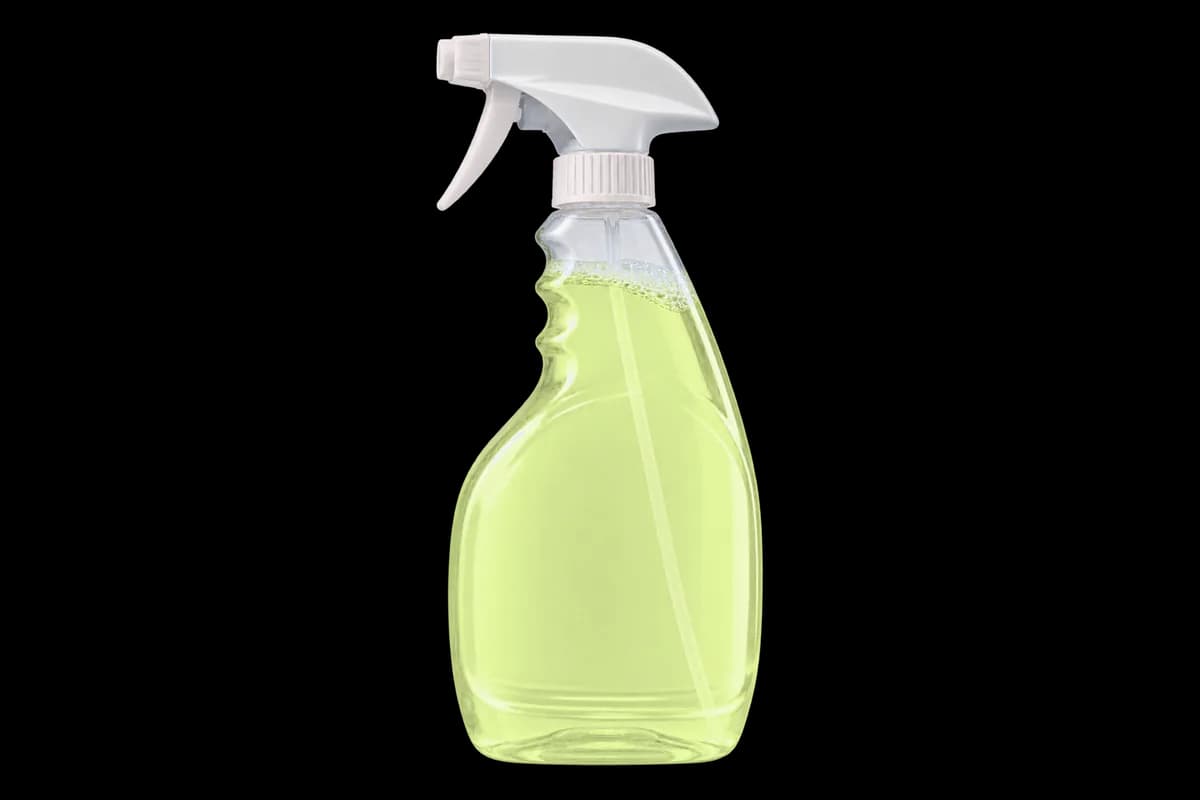
All-purpose spray→ Fragrance-free cleanerATTITUDE All Purpose Cleaner Spray, Unscented, 27 fl oz
A fragrance-free cleaner made without glycol ethers cleans counters without the scented mist. Spray it onto the cloth rather than into the air. Or make your own from unscented castile soap, with vinegar for glass.
Spray it onto the cloth, not into the air.
 swap to
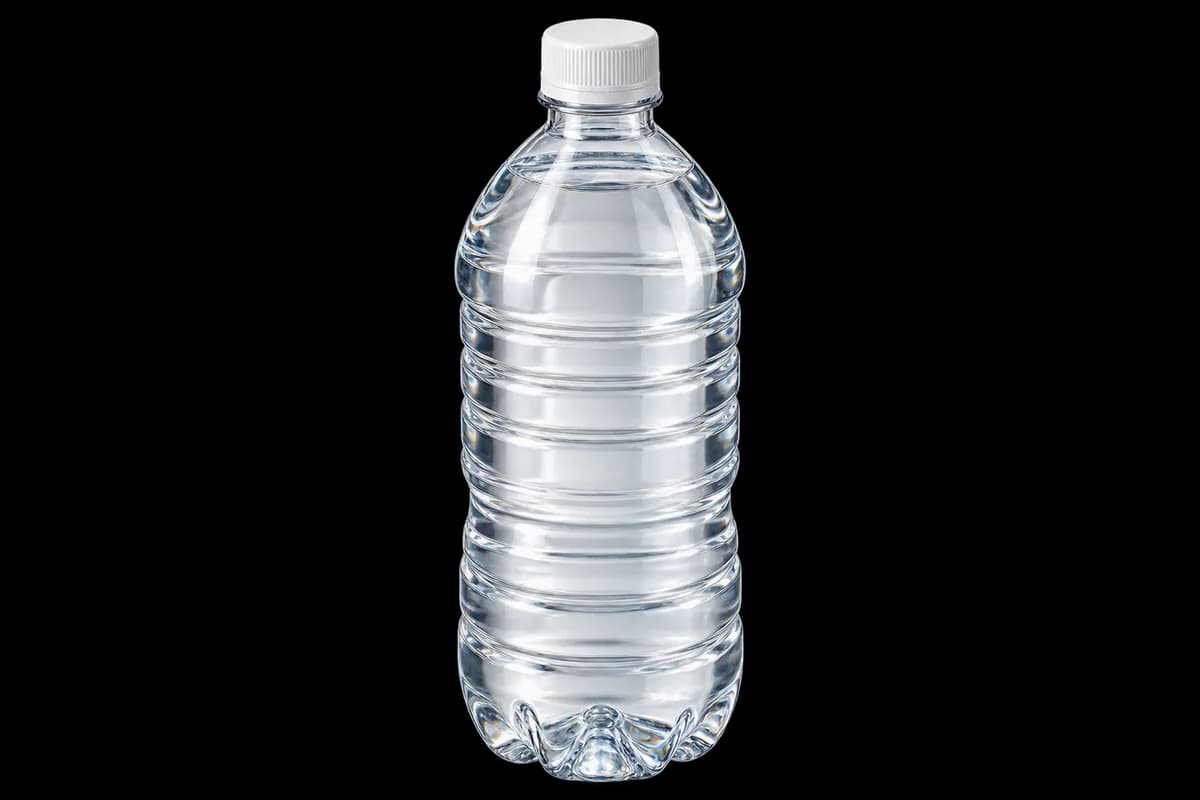
Plastic water bottle→ Steel bottleBambaw insulated 24 oz, bamboo/steel cap
18/8 stainless steel. Inert, durable, and costs less than buying bottled water over time.
 swap to
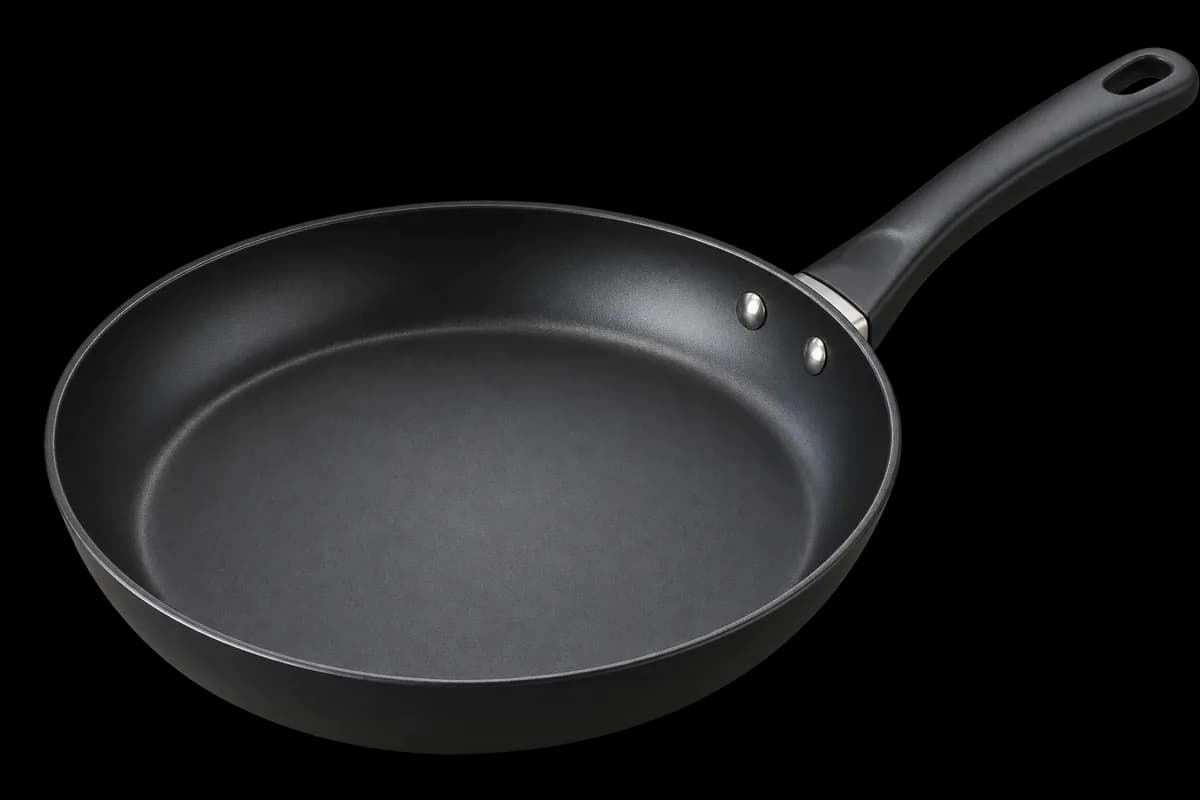
Non-stick pan→ Cast iron or stainless steel panMercer Culinary 10.25" skillet
Cast iron, carbon steel or stainless steel. There’s no coating to wear off, and a well-made pan can last for decades.
 swap to
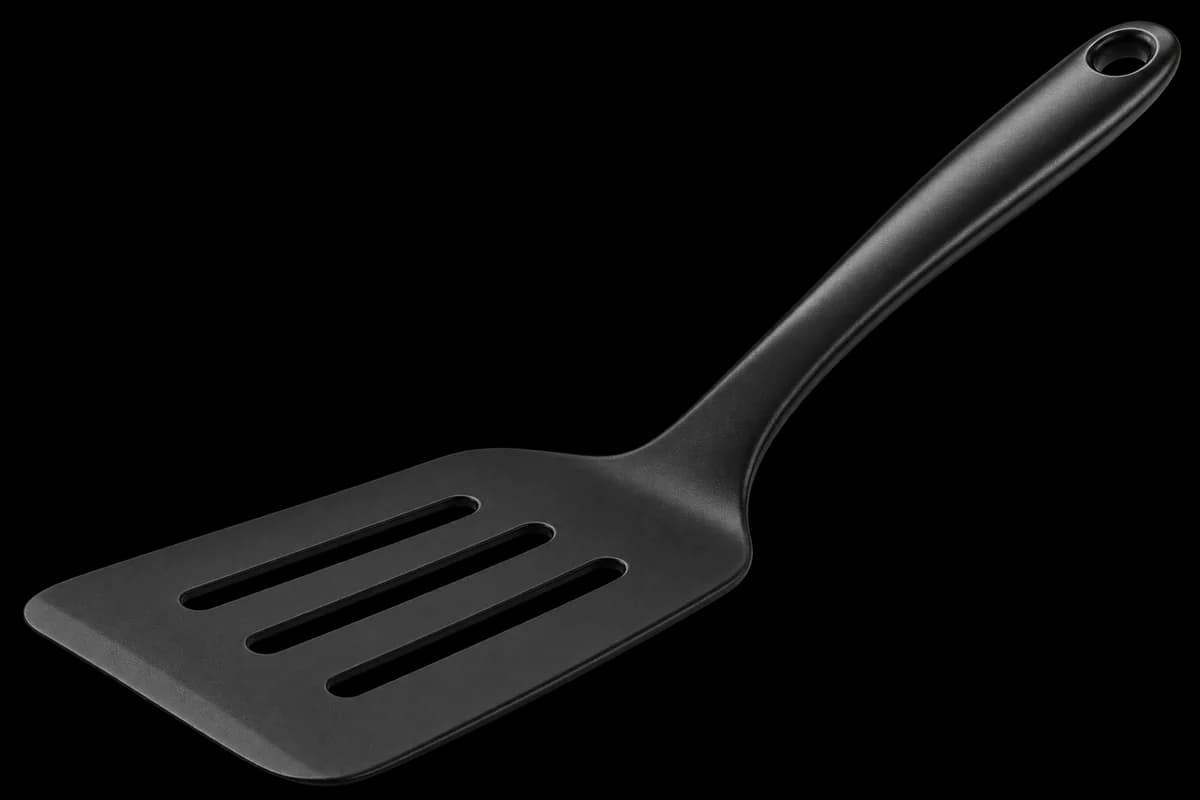
Black plastic spatula→ Wooden or steel utensilsECOSALL beech spoons 6-pc, uncoated
Solid hardwood such as beech, with no glue or varnish, or all-stainless steel.
 swap to
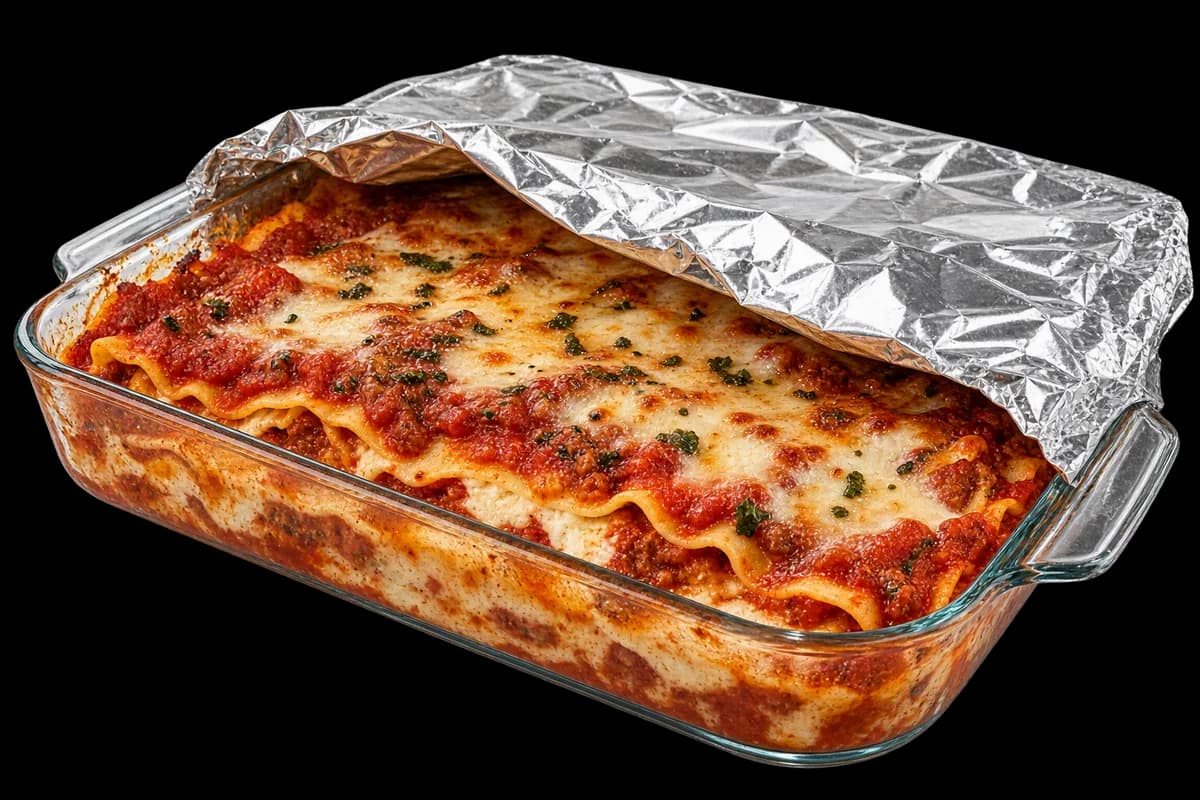
Aluminum foil→ Beeswax wrapsAkeeko 9-pk
A beeswax wrap is cotton coated in beeswax, tree resin and jojoba oil, so no aluminum touches the food. Warm it in your hands and it grips a bowl, half a lemon or a block of cheese. Wash it in cool water and use it again; when it’s worn out, it can go in a home compost bin.
Never in the oven or on hot food.
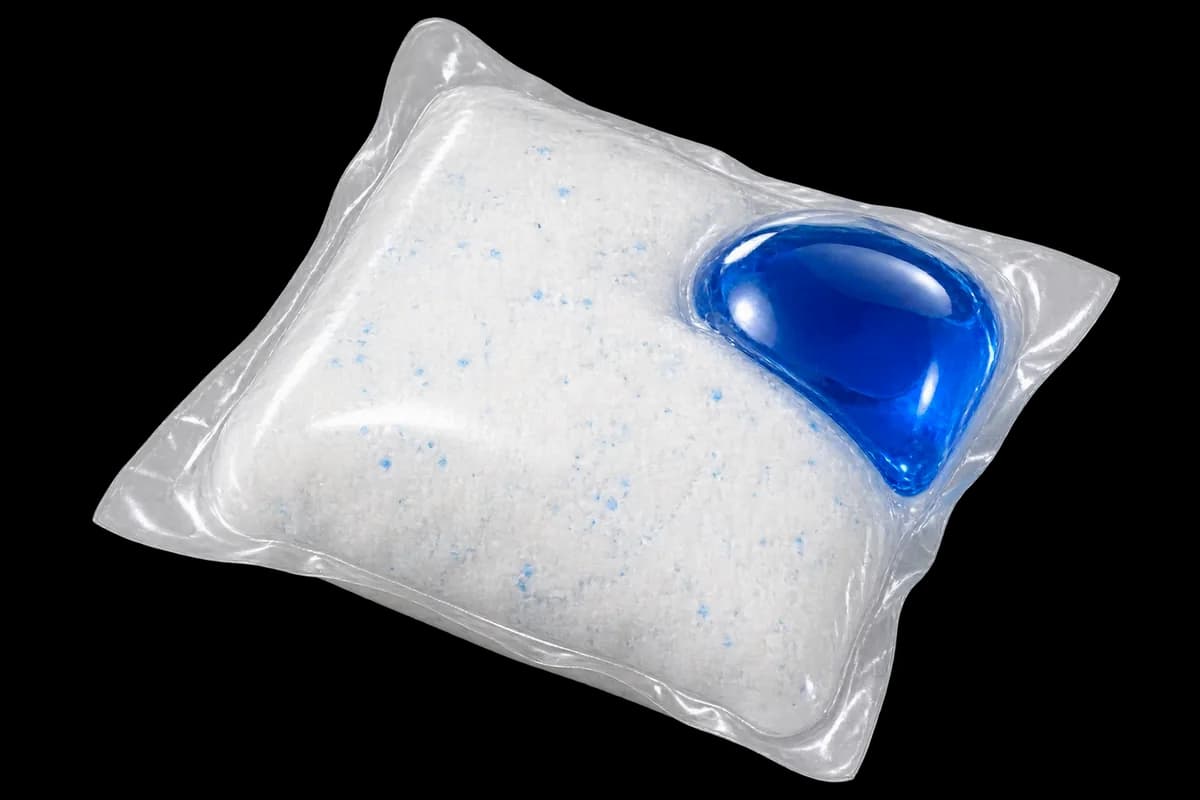 swap to
Dishwasher pods→ Fragrance-free dishwasher powderPronounce Fragrance Free Dishwasher Detergent Powder, 80 loads
A fragrance- and dye-free powder you scoop yourself. Save rinse aid for when hard water leaves spots.
Good to know before you buy
- Wool dryer balls: Less static control on synthetics. Adding essential oils brings the VOCs back.
- Wood board: About 14 × 9.5 inches, cut from one piece of sapele with no glue, the maker says. Pre-oiled with olive oil; small silicone feet sit on one edge, away from the cutting surface. Many wood and bamboo boards are strips glued together. Use one board for produce and bread and a separate one for raw meat, poultry and seafood, as USDA suggests. Hand-wash with hot, soapy water and oil it monthly.
- Glass containers: The lid has a silicone seal ring to keep it airtight. The ring sits at the rim, and food rests against glass. Tip leftovers into a glass bowl before microwaving.
- Cellulose sponge: Loofah scrub side stitched onto plant-based cellulose with cotton thread, no glue. The maker says it’s 100% plastic-free. (Full Circle’s walnut and coconut sponges are different and contain recycled plastic.) Many ‘cellulose’ scrubbers have a polyester scrub layer. Replace every 1–2 weeks.
- Fragrance-free cleaner: Spray it onto the cloth, not into the air. Vinegar doesn’t disinfect and etches stone. Never mix it with bleach. Oven too? Most oven sprays are lye, which can burn skin and eyes. A baking soda paste left overnight loosens baked-on grease instead; see the recipe.
- Steel bottle: Only stainless steel touches your drink, and the cap’s seal ring is silicone. Insulated bottles can hide a lead sealing dot under the base, so choose one the maker says is lead-free, like this one.
- Cast iron or stainless steel pan: Cast iron is heavy; it and carbon steel need seasoning. Stainless needs none and suits tomato and other acidic dishes. Ceramic ‘non-stick’ is still a coating, not bare metal.
- Wooden or steel utensils: Stainless scratches non-stick pans. Many wooden and bamboo sets don’t say what glue or finish they use, but our pick uses none.
- Beeswax wraps: Never in the oven or on hot food, and not for raw meat. For baking, use the glass dish with a glass lid. We haven’t yet found a parchment paper whose maker says it’s PFAS-free, so parchment isn’t a pick for now.
- Fragrance-free dishwasher powder: Start with one scoop and add a second only for greasy loads or hard water.
Sources (25)
- Dartmouth Health Children's: eczema skin-care tips, avoid fragrance sources such as scented detergent and dryer sheets (opens in a new tab)
- Steinemann et al. 2011: dryer-vent VOCs with a fragranced detergent and dryer sheets, including acetaldehyde (opens in a new tab)
- Steinemann 2011: 133 VOCs from 25 products, 1 on a label (opens in a new tab)
- EHP: Dryer vents, an overlooked source of pollution? (opens in a new tab)
- Yadav et al. 2023, ES&T: est. 14.5–79.4M particles per person per year; no toxicity in the cells tested (opens in a new tab)
- USDA FSIS: consider one cutting board for fresh produce and bread and a separate one for raw meat, poultry and seafood (opens in a new tab)
- Hussain et al. 2023, ES&T: millions of particles per cm² after 3 min in the microwave (opens in a new tab)
- Hamann et al. 2026: 0.68–4.21 g of microplastic per person per year (opens in a new tab)
- Svanes et al. 2018, AJRCCM: ~6,000 people followed over 20 years (opens in a new tab)
- Nazaroff & Weschler 2004: indoor chemistry of cleaners (opens in a new tab)
- Maker's listing: ATTITUDE All Purpose Cleaner, 'No added fragrance', 'Made without glycol ether solvents' (opens in a new tab)
- Dr. Bronner's dilutions cheat sheet: ¼ cup soap in a quart of water for all-purpose cleaning; half vinegar, half water for windows (opens in a new tab)
- UK poison data: 96% of oven cleaners involved contained lye; 44% of skin exposures caused burns (Day 2017) (opens in a new tab)
- US poison data, kids under 6: alkaline cleaners, especially oven and drain cleaners, caused the most serious injuries (Pacini 2023) (opens in a new tab)
- Qian et al. 2024, PNAS: about 90% of particles were nanoplastics (methods disputed) (opens in a new tab)
- Marfella et al. 2024, NEJM: plastic in plaque linked to heart events (association) (opens in a new tab)
- IARC Monograph 135: PFOA Group 1 carcinogen (opens in a new tab)
- FDA: PTFE still authorised for food contact (opens in a new tab)
- Liu et al. 2024, Chemosphere: flame retardants found in some utensils (opens in a new tab)
- Retraction Watch: corrected exposure is ~50× below the US safety limit (opens in a new tab)
- ECOSALL: beech spoons 'non coated, not varnished and not glued' (opens in a new tab)
- Dordevic et al. 2019: foods baked in foil gained up to 40× more aluminum; marinated salmon and mackerel were among the highest (opens in a new tab)
- Stahl et al. 2017: a 0.5% citric-acid test pulled 638 mg/L aluminum from aluminum camping dishes, against a 5 mg/L transfer limit (opens in a new tab)
- Alinaghi et al. 2019: fragrance mix second only to nickel among contact allergens (20,107 people) (opens in a new tab)
- Ogulur et al. 2023, lab study: rinse-aid residue left on dishes by professional dishwashers damaged gut-lining cells; alcohol ethoxylates were the culprit (opens in a new tab)
General information, not medical advice. Ask your doctor, especially if you’re pregnant, nursing or have a health condition.