Safe Home Check
Check two risks you can’t see or smell: a carbon monoxide alarm and a radon test kit.
One tap puts all two in your Amazon cart.
We earn a commission if you buy.
What's inside
Tap a swap for the reasons.
 swap to
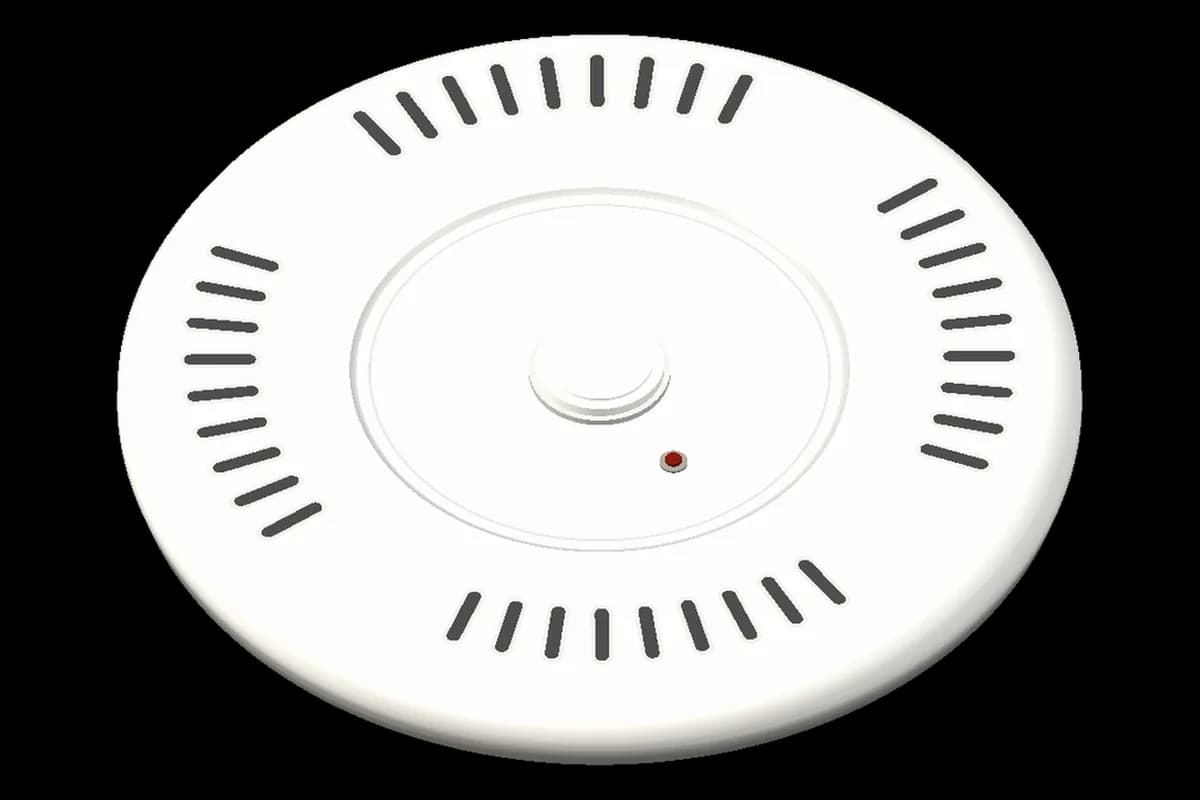
No CO alarm→ Carbon monoxide alarmKidde battery CO alarm (AA), 3rd edition
An alarm is your early warning for a gas you can’t sense. CDC advises battery or battery-backup alarms near every sleeping area.
 swap to
Guessing about radon→ Radon test kitFirst Alert RD1 radon gas test kit, lab fee included
Testing is the only way to know your level. A short-term kit is the cheapest first step; a digital detector keeps checking with no lab fees.
A 2–4 day test you mail to a lab. The lab fee is included, except New Jersey’s state fee.
Good to know before you buy
- Carbon monoxide alarm: Check the batteries when the clocks change, and replace the alarm every 5 years or as the maker says.
- Radon test kit: A 2–4 day test you mail to a lab. The lab fee is included, except New Jersey’s state fee. EPA recommends testing every home below the third floor. Free test kits are sometimes available from local or county health departments or state radon programs. Reads 4 pCi/L or more? EPA says to confirm with a follow-up test, then fix it (and consider fixing from 2 to 4). Before paying for mitigation, confirm with a qualified radon tester, and use a qualified or state-certified mitigator (in New Jersey, NJDEP-certified).
Sources (8)
- CDC: 400+ deaths and 100,000+ ER visits a year from non-fire CO poisoning (opens in a new tab)
- EPA: CO is impossible to see, taste or smell (opens in a new tab)
- EPA: #2 cause of lung cancer, about 21,000 deaths a year (opens in a new tab)
- EPA: nearly 1 in 15 US homes has high radon (opens in a new tab)
- EPA: fix your home at 4 pCi/L or more (opens in a new tab)
- EPA, A Citizen's Guide to Radon: take a follow-up test at 4 pCi/L or more; use qualified or state-certified contractors (opens in a new tab)
- NJDEP: radon testers and mitigators in New Jersey must be state-certified (opens in a new tab)
- EPA: free test kits are sometimes available from local or county health departments or state radon programs (opens in a new tab)
General information, not medical advice. Ask your doctor, especially if you’re pregnant, nursing or have a health condition.