Pet-Proof Your Home
Replace three common pet poisons around the house and garden: rodent bait, metaldehyde slug pellets and rock-salt ice melt.
One tap puts all three in your Amazon cart.
We earn a commission if you buy.
What's inside
Tap a swap for the reasons.
 swap to
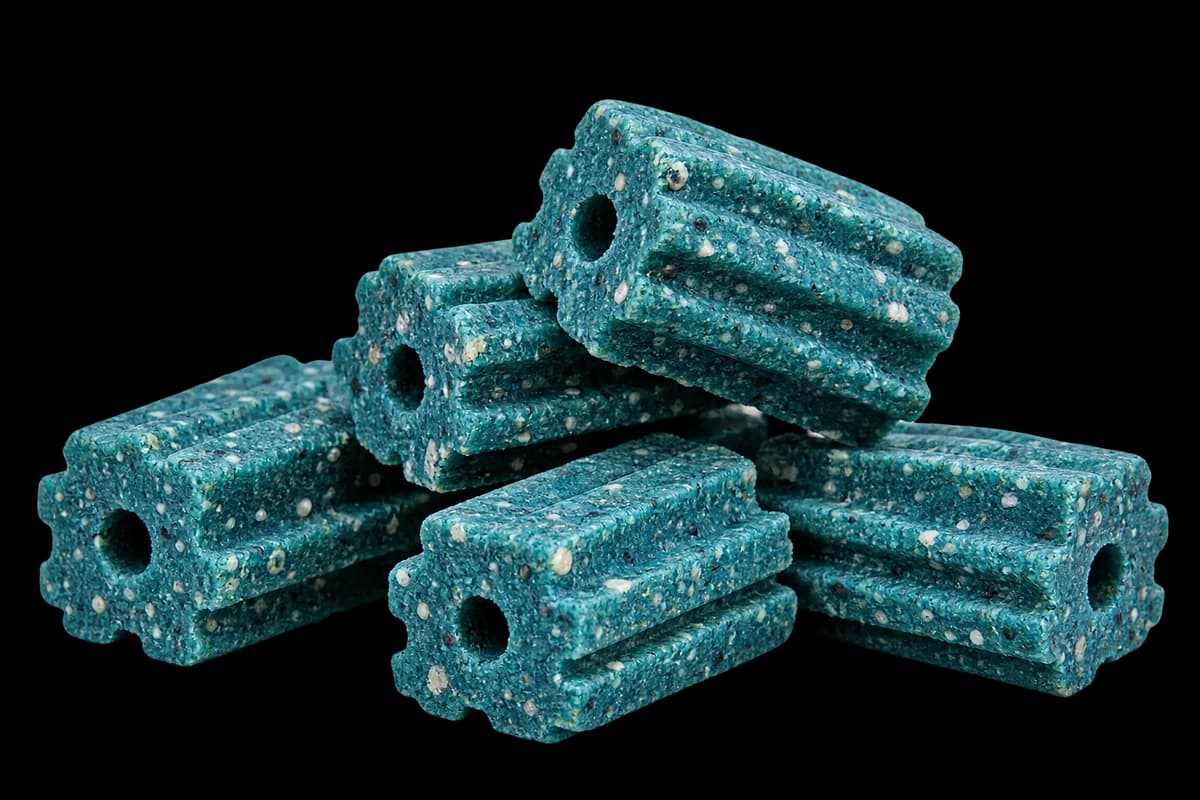
Rodent poison→ Snap trapsVictor M154 Metal Pedal Wood Snap Mouse Traps, 8-pack
Snap traps use no poison, so there’s no bait for pets or kids to eat and no poisoned rodents left for pets or wildlife to find.
 swap to
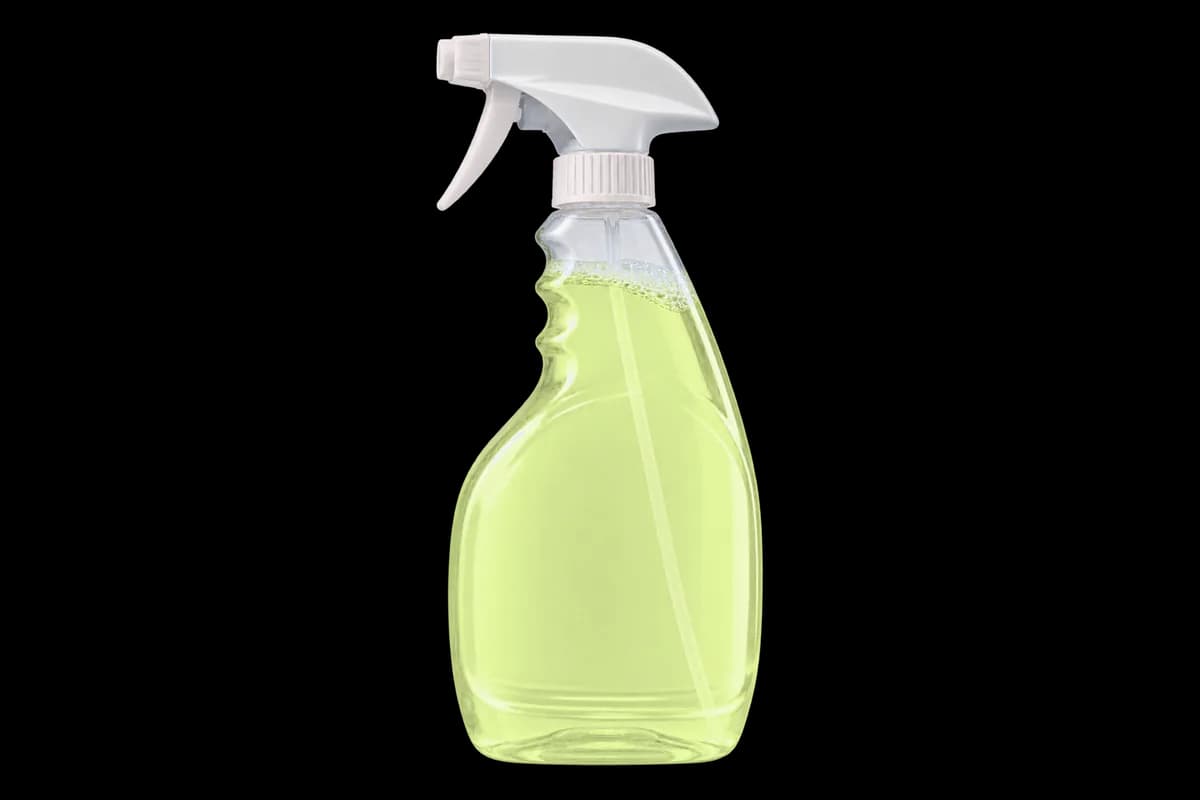
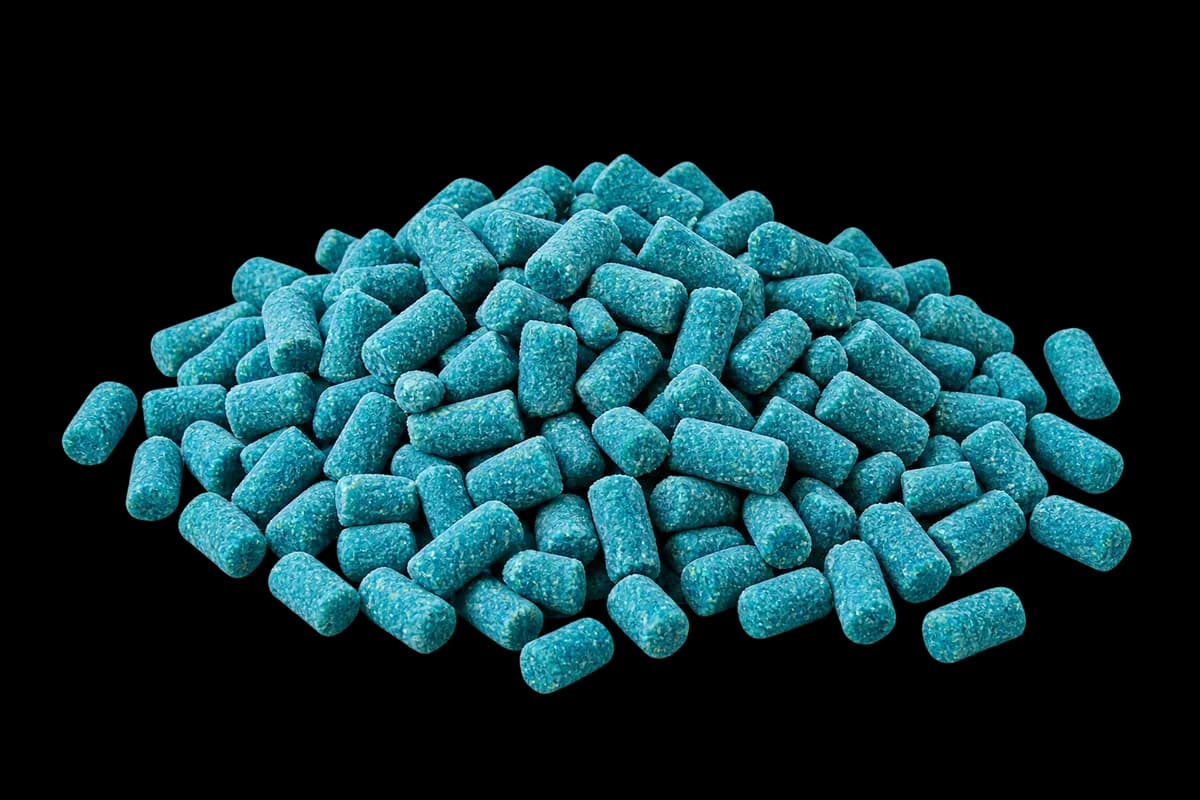
Slug & snail pellets→ Iron phosphate slug baitGarden Safe iron phosphate slug & snail bait, 2 lb
Check the label for metaldehyde. The National Pesticide Information Center says iron phosphate baits are much less toxic to dogs, and slugs stop feeding almost as soon as they eat it.
Iron phosphate, 1% (maker’s safety sheet).
 swap to
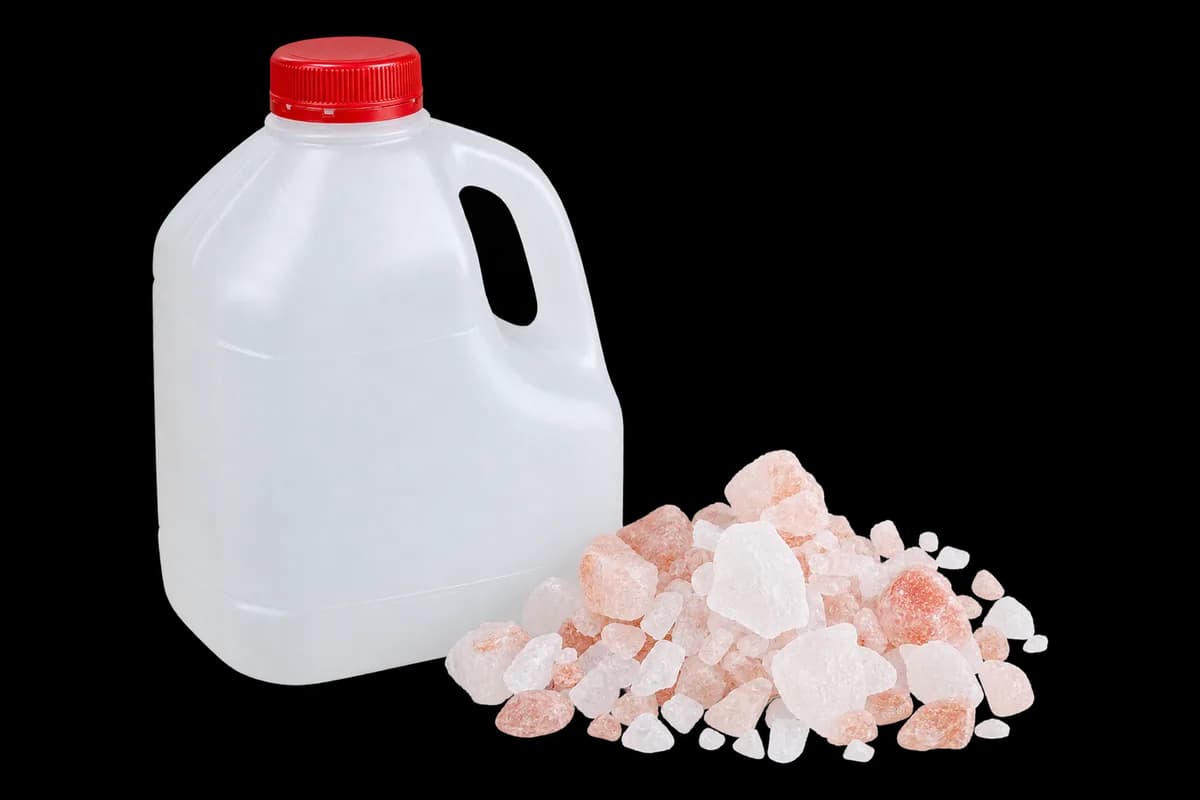
Rock salt ice melt→ Pet-friendly ice meltJust For Pets chloride-free snow & ice melter, 9 lb shaker jug
These picks skip rock salt and other chloride salts, and ASPCA says pet-friendly ice melts are typically made with safer ingredients. Your own steps and driveway become a gentler walk home.
Good to know before you buy
- Snap traps: Bait with a pea-size dab of peanut butter and set traps along walls, inside a box or behind appliances where children and pets can’t reach. Check traps daily. These are mouse traps; rats need rat-size traps. To empty one, wear gloves, spray the mouse and trap with disinfectant, and put them together in a plastic bag inside a second bag, as CDC advises.
- Iron phosphate slug bait: Iron phosphate, 1% (maker’s safety sheet). Less toxic isn’t non-toxic. Iron baits often add a chelating agent to help the iron work, and NPIC notes case reports of dogs falling ill after eating iron phosphate bait. Our pick’s safety sheet doesn’t say whether it has one. Call your vet if your pet gets into it. Read and follow the label, store it out of reach of children and pets, scatter granules evenly, never in piles, and keep dogs off treated beds until the granules dissolve.
- Pet-friendly ice melt: It costs much more than rock salt, so save it for the steps and path your pet walks. Neighbours’ sidewalks may still be salted, so keep wiping paws. Wipe up any antifreeze drips on the driveway straight away: regular antifreeze tastes sweet, and 1–2 teaspoons can kill a cat, the Merck Veterinary Manual says. Ask your mechanic about propylene glycol coolant at your next service.
Sources (12)
- ASPCA Poison Control 2025: rodenticides were #7 among pet toxin exposures (6.5% of cases) (opens in a new tab)
- EPA 2008: ~12,000–15,000 rodenticide exposures/yr in kids under 6; consumer baits moved into bait stations (opens in a new tab)
- EPA: second-generation anticoagulants and loose pellets are no longer sold for consumer use (opens in a new tab)
- CDC: wear gloves, spray the dead rodent with disinfectant, bag it with the used trap, then bag again (opens in a new tab)
- Merck Vet Manual: dogs are poisoned most often; 3 oz of bait can poison a 30-lb dog (opens in a new tab)
- National Pesticide Information Center: iron phosphate slug baits are much less toxic to dogs (opens in a new tab)
- Merck Vet Manual: signs start 30 min to 6 h after ingestion; the UK has banned outdoor metaldehyde pellets (opens in a new tab)
- NPIC PestiBytes Ep. 20: iron phosphate baits often contain chelating agents; case reports of dogs falling ill; spread granules evenly (opens in a new tab)
- ASPCA: rock salt is harsh on paws and, if swallowed, can cause dangerously high sodium levels (opens in a new tab)
- ASPCA Poison Control: swallowed ice melt can cause vomiting, tremors and seizures; pet-friendly melts are typically safer (opens in a new tab)
- Merck Vet Manual: ethylene glycol antifreeze; lethal dose 1–2 tsp for cats; propylene glycol is less toxic and not sweet (opens in a new tab)
- ASPCA: pet-safe antifreezes use propylene glycol, which has a much wider margin of safety (opens in a new tab)
General information, not veterinary advice. Ask your vet before changing what your pet uses.