Bundle2 swaps
Period Care Swap
A reusable silicone cup for most days, plus unscented organic cotton pads with a cotton core for backup.
One tap puts all two in your Amazon cart.
Add all 2 to Amazon cart: Period Care Swap (opens in a new tab)
Swaps out:Conventional tampons, Scented or plastic-topped padsWe earn a commission if you buy.
What's inside
Tap a swap for the reasons.
 swap to
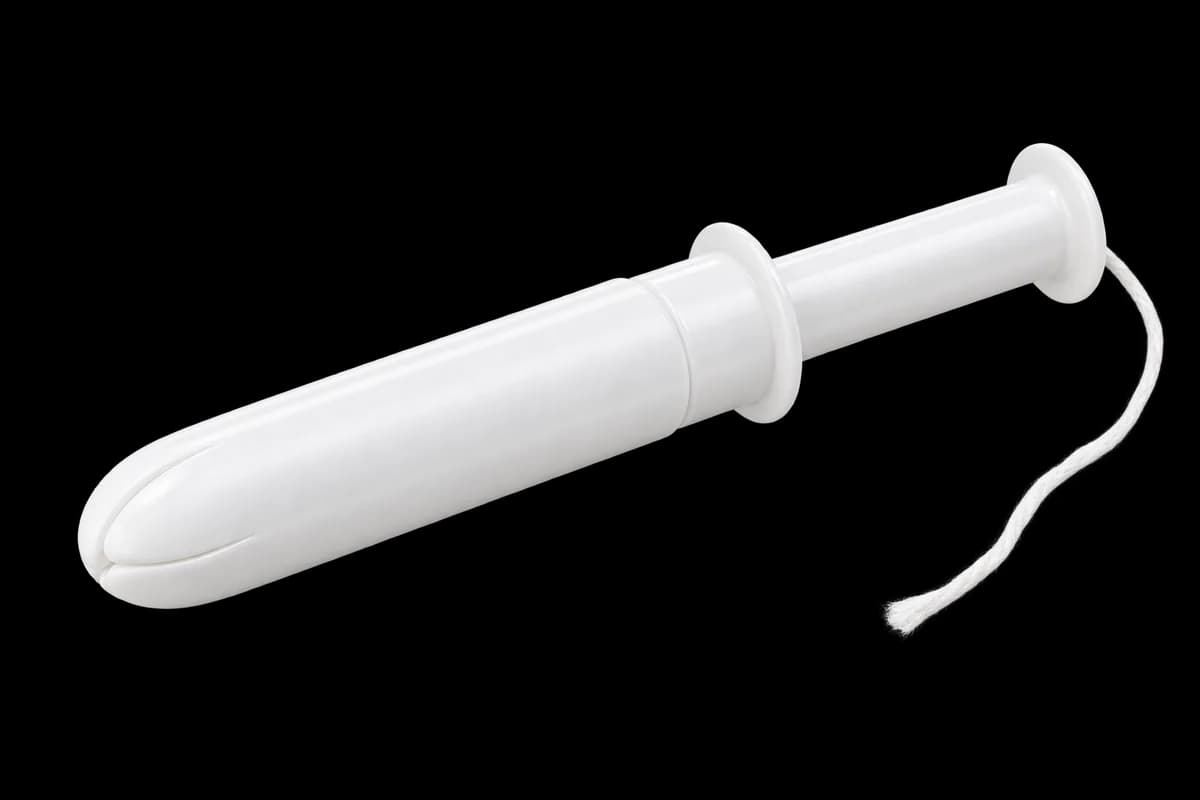
Conventional tampons→ Menstrual cupSHORDY cups 2-pk S+L
A silicone cup is reusable and cuts waste.
 swap to
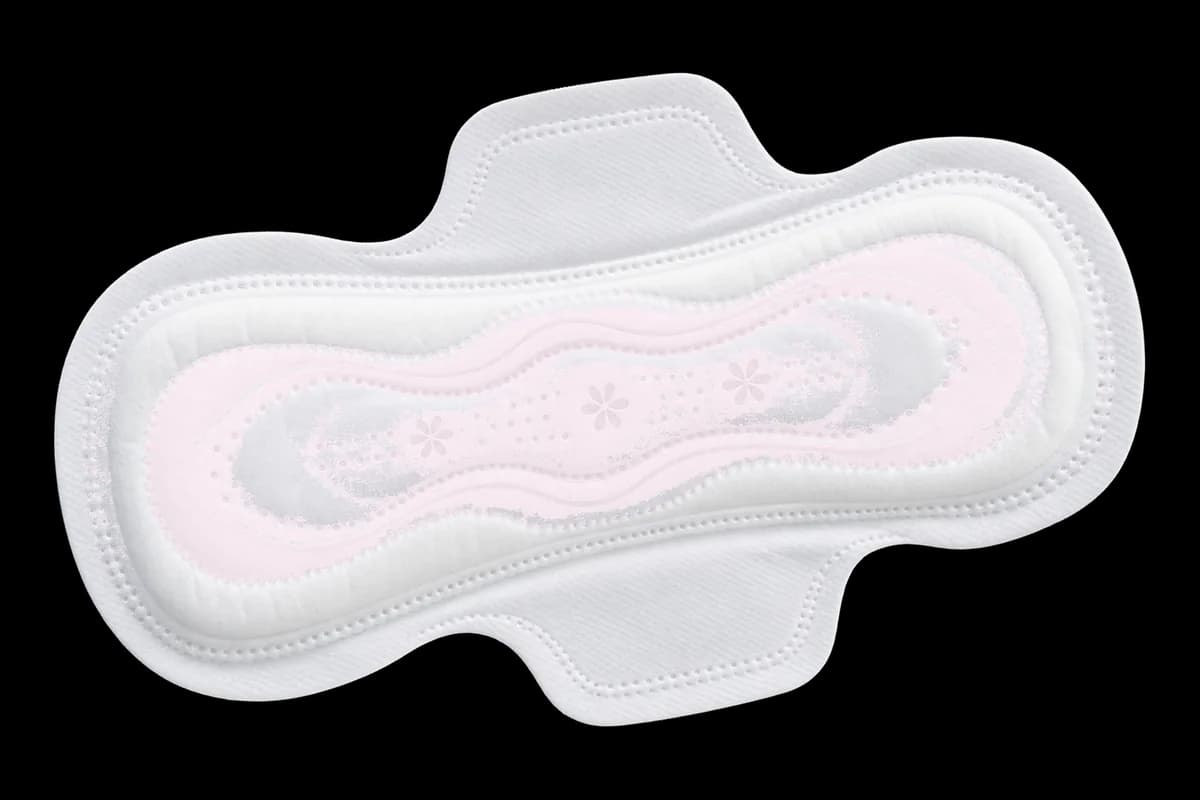
Scented or plastic-topped pads→ Unscented organic cotton padsOrganyc organic cotton pads, Moderate Flow, 10 ct
Going unscented drops the added fragrance chemicals. An organic cotton top layer puts plant fibre, not plastic, against your skin.
Good to know before you buy
- Menstrual cup: Most people take a few cycles to get comfortable, so wear a liner at first. Rare but serious: cups and tampons have both been linked to toxic shock syndrome. Follow the maker’s wear time. For tampons, use the lowest absorbency you need. Take it out and get medical help right away if you get a sudden fever, vomiting or diarrhea, a sunburn-like rash, or dizziness. The cup is silicone. There’s no well-rated natural-rubber cup yet. Organic tampons had more arsenic, not less, and period underwear has its own PFAS lawsuits.
- Unscented organic cotton pads: Our pick has cotton in the core too and no gel, and it costs more than most; the cotton-topped pads cost less. The backing is a plant-based plastic and the adhesive is synthetic; there’s no plastic-free disposable pad yet. ‘Unscented’ is the label that matters most; testing found ‘organic’ alone didn’t guarantee lower VOCs. Wear liners too? See cotton liners.
Sources (10)
- Shearston et al. 2024, Environ Int (opens in a new tab)
- FDA 2026, Toxicological Sciences: leaching 'negligible' (opens in a new tab)
- FDA: tampons, toxic shock syndrome symptoms and the lowest absorbency you need (opens in a new tab)
- FDA: menstrual cups, empty as the instructions say, typically every 8 to 12 hours (opens in a new tab)
- van Eijk et al. 2019, Lancet Public Health: menstrual cup review, including reported toxic shock cases (opens in a new tab)
- SHORDY listing: cups "can be used for up to 10 years if taken care of" (opens in a new tab)
- Lin 2020: scented pads had ~10x the aromatic VOCs of unscented (3 vs 19 pads tested) (opens in a new tab)
- Park 2019: pads held more phthalates than common plastic products (opens in a new tab)
- Marroquin 2024 review: phthalates, VOCs and parabens found in menstrual products (opens in a new tab)
- Always (P&G), What's in our products: polyethylene used as the fibre layer that lets fluid be absorbed; polypropylene as a barrier layer (opens in a new tab)
General information, not medical advice. Ask your doctor about fit, wear time or any symptoms.